Introduction:
The publishing world isn’t just about ink and paper the Top 5 Richest Authors is more then that; it’s a high-stakes arena of intellectual property and global licensing. When we look at the Top 5 Richest Authors, we aren’t looking at people who simply sit in a room and wait for inspiration to strike. These are CEOs of massive content conglomerates. They have turned their stories into multi-billion dollar franchises, theme parks, and lifestyle brands. They’ve moved beyond the traditional “advance and royalty” model and into the realm of backend equity and asset management.
The real wealth in literature isn’t found in the sale of a single hardcover book; it’s found in the “multiplier effect” of the IP. The elite tier of the Top 5 Richest Authors understands that a book is just a blueprint for a larger financial ecosystem. From real estate holding companies to production studios that control every frame of their film adaptations, these writers have effectively automated their income. Here is a deep-dive analysis of the wealth mechanics and business empires behind the most successful storytellers on the planet.
1. J.K. Rowling – Estimated Net Worth: $1.1 Billion+
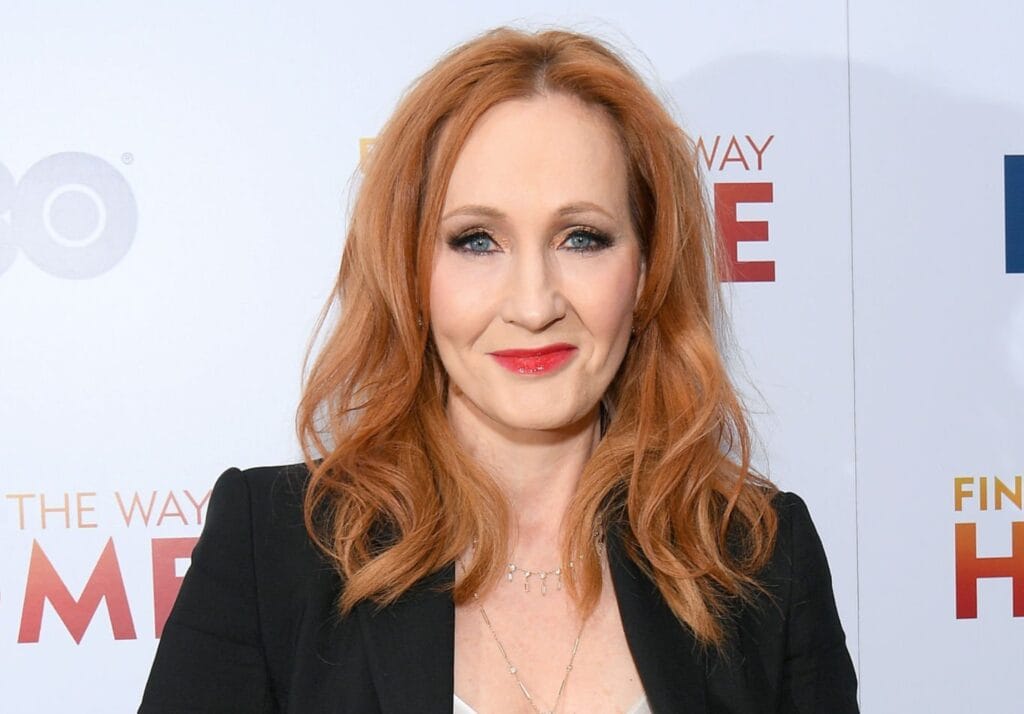
J.K. Rowling is the gold standard for the Top 5 Richest Authors, having created the most lucrative literary franchise in history. While the Harry Potter books have sold over 600 million copies, the real genius of her wealth is her “ownership of the Wizarding World.” She didn’t just sell the rights to her books; she retained an unprecedented level of creative control and a massive percentage of the backend revenue from movies, merchandise, and the global theme parks. This ensures that every time a child buys a plastic wand in Orlando or Tokyo, Rowling gets a cut.
Her wealth mechanic is “IP ecosystem dominance.” By controlling the digital rights through platforms like Pottermore (now part of Wizarding World Digital), she cut out the traditional distribution middlemen for years. She also earns significant royalties from the Fantastic Beasts film series and the blockbuster Hogwarts Legacy video game, which generated over $1 billion in retail sales alone. Her earnings are essentially a tax on a global cultural phenomenon that shows no signs of slowing down.
Rowling’s real estate portfolio is as vast as her imagination. She owns several historic estates in Scotland and London, including a sprawling 17th-century manor that serves as a private fortress. But these aren’t just homes; they are strategic land holdings in high-appreciation markets. She also manages her wealth through a sophisticated family office, ensuring that her capital is diversified into blue-chip stocks and private equity. Her ability to maintain billionaire status despite donating over $150 million to charity is a testament to the sheer velocity of her cash flow.
The transition from novelist to “franchise overseer” is what keeps her at the top of the Top 5 Richest Authors list. She is reportedly involved in the development of a new decade-long Harry Potter television series, which will provide a fresh infusion of capital and introduce her IP to a new generation. By constantly refreshing the brand, she has ensured that her “magical” income remains evergreen, making her one of the most powerful women in the global media landscape.
2. James Patterson – Estimated Net Worth: $800 Million+
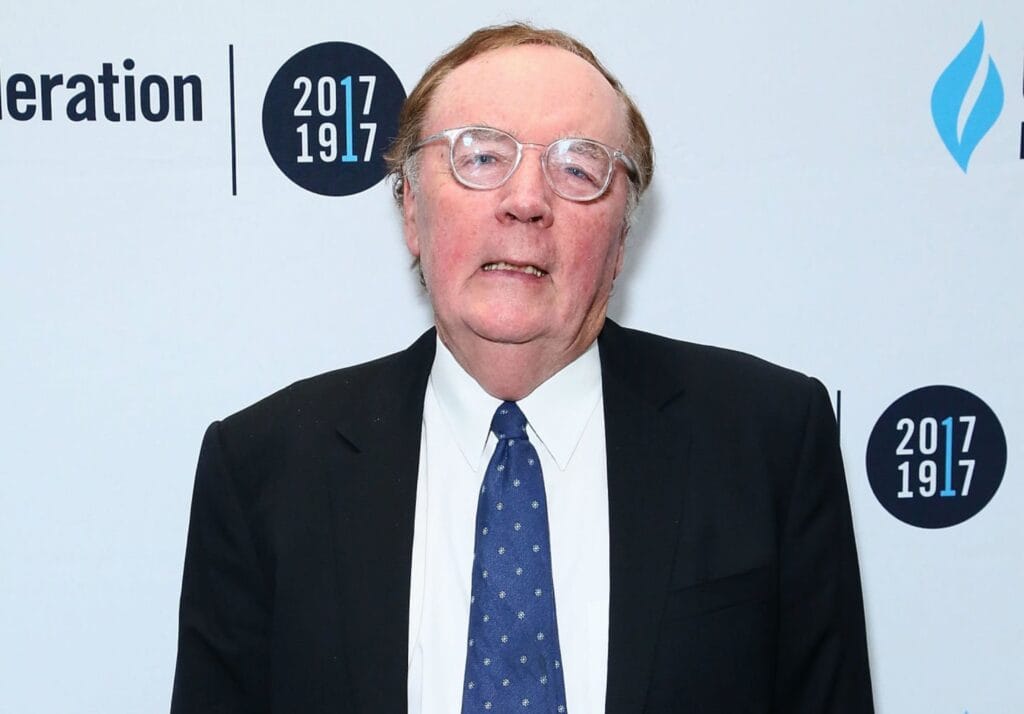
James Patterson is the Henry Ford of the Top 5 Richest Authors. He didn’t just write books; he invented a “collaborative production model” that allows him to release dozens of titles every single year. By working with co-authors, Patterson has scaled his personal brand into a content factory. He oversees the outlines and the marketing, while his team handles the heavy lifting of the prose. This allows him to dominate the bestseller lists and the airport bookstore shelves in a way that no solo writer ever could.
His wealth mechanic is “market saturation.” Patterson treats his name like a brand of quality and speed. This high-volume approach means he is constantly triggering new retail sales and keeping his backlist relevant. He was also an early pioneer of “BookShots”—short, fast-paced novels designed for the digital attention span. By diversifying into children’s books, true crime, and even romance, he has insured himself against the decline of any single genre. He is a master of the “long-tail” retail strategy.
Patterson’s business empire includes James Patterson Entertainment, a production company that strikes massive “first-look” deals with major studios like Skydance and CBS. These deals provide him with upfront seven-figure payments just for the option to look at his work, plus massive executive producer fees if the projects go to series. He is essentially a one-man television network, providing the raw material for the entire streaming industry. This “content-to-screen” pipeline is a core pillar of his massive net worth.
The sheer liquidity of Patterson’s wealth is legendary. He reportedly earns between $70 million and $90 million annually, much of which is funneled into high-end real estate in Palm Beach. He is known for buying neighboring properties to create massive, private compounds that appreciate in value while providing a luxury lifestyle. He views himself as a businessman first and a writer second, which is why he is a perennial fixture in the Top 5 Richest Authors hierarchy.
3. Danielle Steel – Estimated Net Worth: $600 Million+
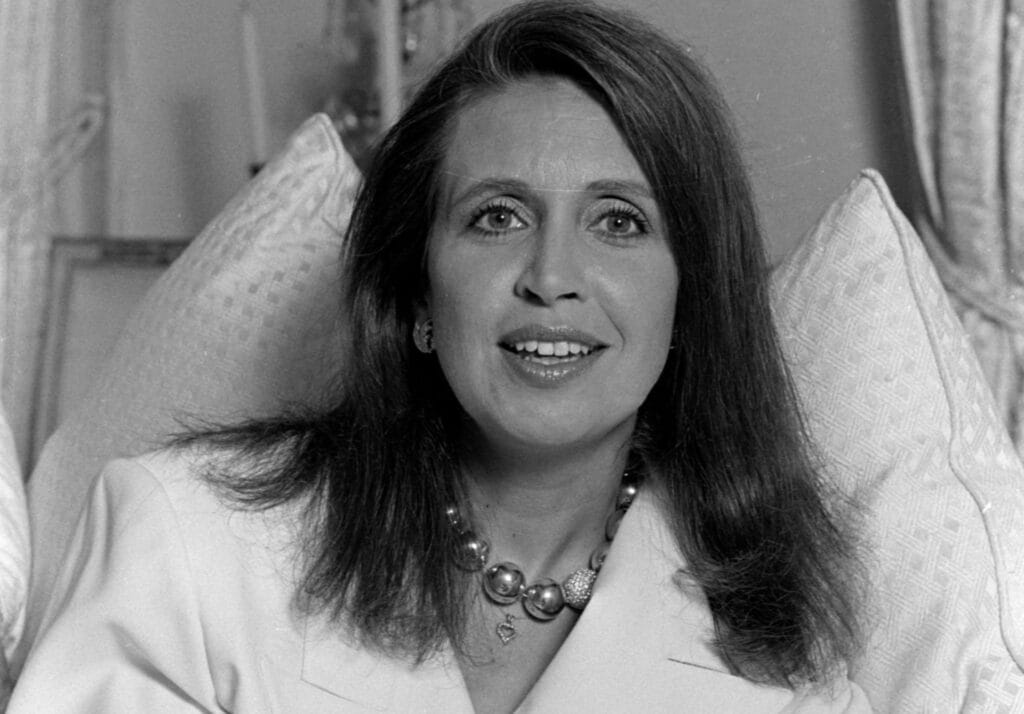
Danielle Steel is the definition of “brand consistency” in the Top 5 Richest Authors list. With over 190 books published and more than 800 million copies sold, she has spent decades as the reigning queen of the romance and drama genres. Her wealth is built on the “loyalist model”—she has a massive, dedicated fanbase that buys every single book she releases, year after year. This predictable demand allows her to command some of the highest advances in the publishing industry.
Her wealth mechanic is “backlist monetization.” Because she has been so prolific for over fifty years, she owns a massive catalog of intellectual property that is constantly being repackaged for new markets. Over 20 of her novels have been turned into television movies, providing a steady stream of licensing income. She doesn’t just rely on new hits; she profits from work she did in the 1970s and 80s. This “annuity-style” income is the dream of every professional creator and a key reason she is among the Top 5 Richest Authors.
Steel’s lifestyle and assets are as glamorous as her novels. She is the owner of the Spreckels Mansion, one of the most iconic and valuable pieces of residential real estate in San Francisco. This property alone is worth tens of millions of dollars and serves as a significant anchor for her net worth. She also has an extensive collection of high-end art and jewelry, treating her wealth not just as cash, but as a collection of appreciative luxury assets. She has effectively turned her life into a high-net-worth portfolio.
Despite her immense success, Steel continues to write with a work ethic that puts younger authors to shame, often working 20-hour days. This relentless output ensures that her “brand shelf space” never diminishes. She has mastered the art of being “globally local,” with her books translated into dozens of languages, ensuring that she is earning money in every timezone simultaneously. She is a testament to the power of staying in your lane and dominating it completely to stay in the Top 5 Richest Authors.
4. Stephen King – Estimated Net Worth: $500 Million+

Stephen King is the most “adapted” living writer, and that is the secret to his place in the Top 5 Richest Authors. While his book sales are massive, his real wealth comes from “licensing the nightmare.” Almost every story King has ever written has been optioned for a film, a TV show, or a limited series. From IT to The Shining, these projects generate massive “passive” income through backend points and producer credits. He doesn’t just write a story once; he gets paid for it every time it is remade for a new generation.
His wealth mechanic is “cultural ubiquity.” King has become a genre unto himself. This brand recognition allows him to bypass traditional marketing costs; the name “Stephen King” is all the advertising a movie needs. He also famously utilized the “Dollar Baby” program for years—selling the film rights of short stories to students for $1—which served as a brilliant long-term marketing strategy. It populated the film industry with directors who grew up loyal to his brand, leading to massive deals later in their careers.
King’s real estate holdings are iconic, particularly his sprawling Victorian mansion in Bangor, Maine, which has become a landmark. However, he also owns significant property in Florida, moving his capital into tax-friendly jurisdictions. He has a sophisticated investment strategy that involves significant holdings in diverse sectors, including local radio stations and sports-related ventures. He treats his “horror income” as a venture capital fund, investing in businesses that provide a stable return regardless of the publishing market.
The longevity of King’s career is a masterclass in “brand evolution.” He has successfully transitioned from a paperback horror writer to a respected literary figure, allowing him to tap into premium publishing deals and prestigious film adaptations. This “prestige premium” increases the value of his IP, ensuring that even his oldest stories remain highly sought-after assets. He is the ultimate example of how to build a half-billion-dollar empire on the foundation of a single, well-defined niche within the Top 5 Richest Authors.
5. Nora Roberts – Estimated Net Worth: $420 Million+
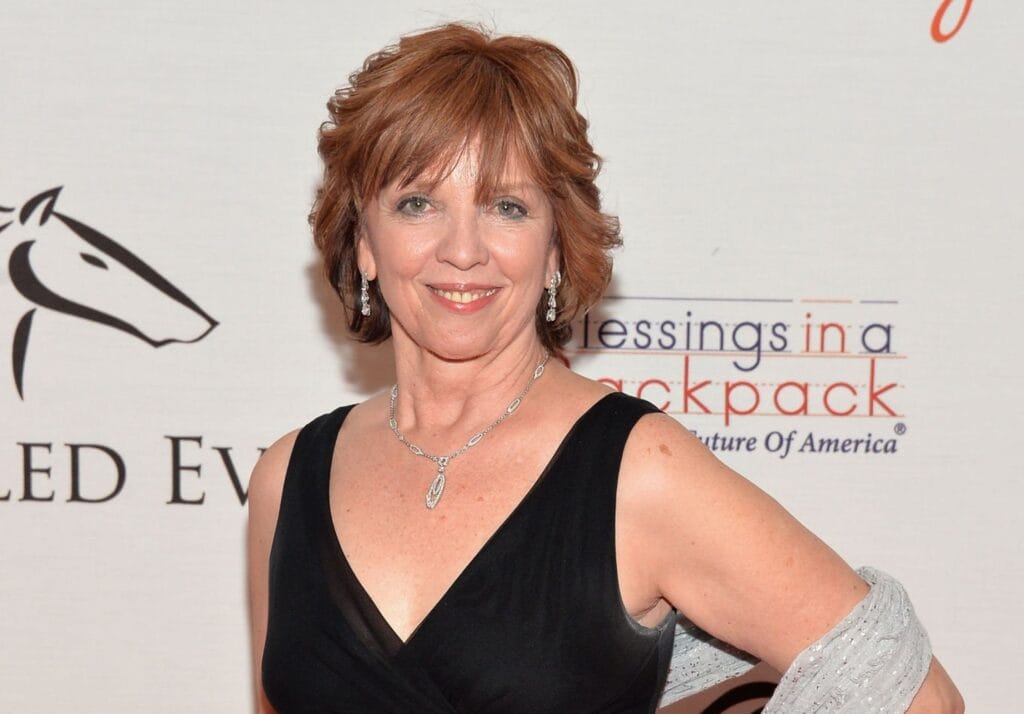
Nora Roberts is the “working-class billionaire” of the Top 5 Richest Authors. She famously writes eight hours a day, seven days a week, and has produced over 230 novels. Her wealth mechanic is “dual-brand dominance.” By writing romance under her own name and futuristic suspense under the pen name J.D. Robb, she has effectively doubled her market share. She captures the “binge-reader” market, providing enough content to satisfy fans who read a book a week.
Her wealth mechanic is “vertical lifestyle integration.” Unlike many authors who are detached from their fans, Roberts has built a physical destination for hers. She owns a bookstore, “Turn the Page Books,” and a boutique hotel, “Inn BoonsBoro,” in her Maryland hometown. These businesses are themed around her novels, creating a “literary tourism” stream of income. She has turned her fictional worlds into a physical reality that she owns and operates, capturing every dollar of the fan experience from the book sale to the overnight stay.
Roberts is also a fierce protector of her intellectual property, famously suing other authors for plagiarism to protect the “integrity of her brand.” This “legal moat” ensures that her stories remain unique and high-value assets. She has sold over 500 million copies of her books, and her yearly income is estimated to be in the $20 million to $30 million range. Much of this is stored in “hard assets” and a very conservative investment portfolio that prioritizes long-term stability over risky growth.
Her success in the Top 5 Richest Authors is a result of “operational discipline.” She treats writing like a factory job, which has allowed her to build an insurmountable lead over writers who wait for the “muse.” By maintaining a constant presence in the marketplace for over four decades, she has created a compounding effect of wealth that is nearly impossible to replicate. She isn’t just a writer; she is the CEO of a multi-platform romance conglomerate.
Conclusion on Top 5 Richest Authors
The financial empires of these five titans prove that modern authorship is a game of asset management as much as it is a creative endeavor. The Top 5 Richest Authors have shown that the path to extreme wealth in the literary world requires a shift from “selling books” to “managing IP.” By controlling their film rights, building physical brand destinations, and scaling their output through collaborative models, they have turned their imaginations into high-yield financial instruments. They have successfully bypassed the limitations of the traditional publishing house to become the primary owners of their own global franchises.
Ultimately, the Top 5 Richest Authors serve as a blueprint for the “creator-as-founder” movement. They have demonstrated that a single successful story can be leveraged into a multi-generational legacy of real estate, stock portfolios, and media production companies. As the digital landscape continues to evolve, these authors remain the dominant players because they own the “source code”—the original stories that fuel the entire entertainment economy. Their wealth isn’t just a reflection of their talent, but of their ruthless business acumen in a world that increasingly values unique intellectual property above all else and thay are Richest men and Richest women in the food making industry.