Introduction:
Let’s be honest about one Top 5 Richest Retired NBA Players: the modern NBA isn’t just a sports league; it’s a high-level training ground for the global financial elite. While most people focus on the highlights and the rings, the Top 5 Richest Retired NBA Players are playing a much more complex game that involves equity swaps, private equity funds, and massive real estate portfolios. They aren’t just “former athletes”; they are industrial titans who have successfully transitioned from being the labor to being the capital. The wealth mechanics at play here are staggering, moving far beyond the scope of a standard player contract.
The real shift happens when a player realizes that their “brand” is a liquid asset that can be used to acquire hard equity in other industries. The Top 5 Richest Retired NBA Players have mastered the art of “capital allocation,” moving their career earnings into high-growth sectors like tech, fast food, and professional sports ownership. They’ve essentially built self-sustaining financial machines that continue to generate hundreds of millions of dollars long after their last jump shot. Here is the deep-dive analysis into the business empires of the wealthiest retired legends.
1. Michael Jordan – Estimated Net Worth: $3.5 Billion+
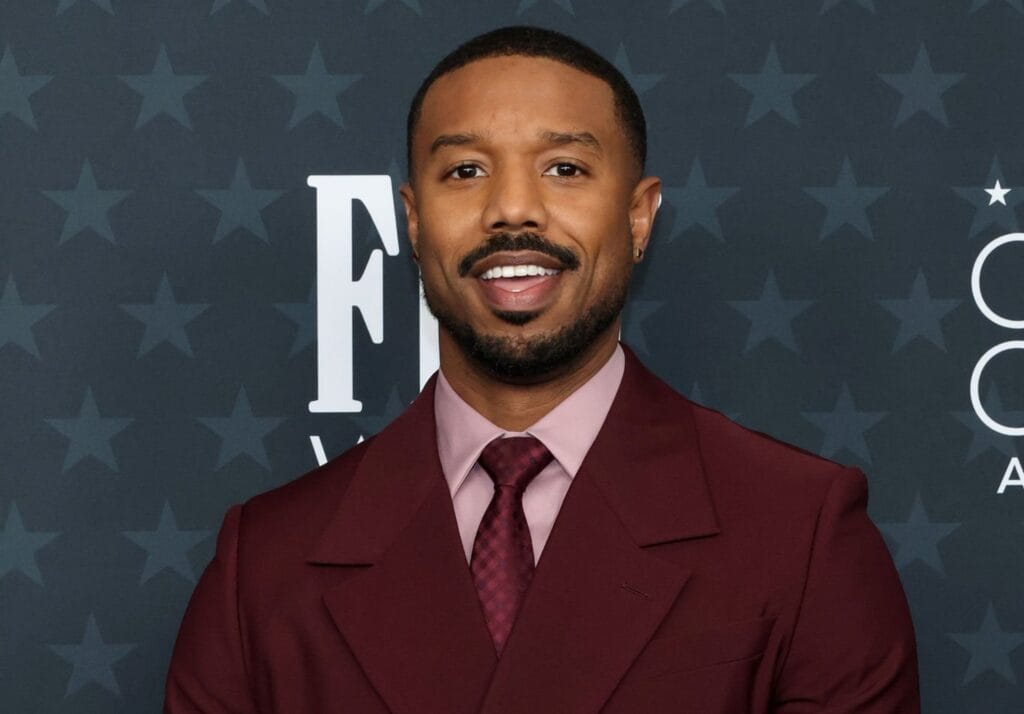
Michael Jordan is the undisputed north star for everyone in the Top 5 Richest Retired NBA Players. While his career earnings on the court totaled roughly $94 million, that figure is a rounding error compared to his off-court empire. The centerpiece of his wealth mechanic is his legendary partnership with Nike. Jordan receives a 5% royalty on all Jordan Brand sales, which generates over $5 billion in annual revenue. This means MJ is effectively banking hundreds of millions of dollars every single year in what is essentially the most lucrative “passive” income stream in the history of sports.
His biggest financial “win” recently was the sale of his majority stake in the Charlotte Hornets. Jordan bought the team for $275 million and sold his majority share for a staggering $3 billion. This 1,000% return on investment is a masterclass in sports equity growth. By holding onto the asset for over a decade while the NBA’s national television deals skyrocketed, Jordan realized a level of liquidity that few individuals on earth ever achieve. He didn’t just play for a team; he owned the team, waited for the market to peak, and cashed out at the perfect moment.
Beyond basketball and sneakers, Jordan’s empire includes a high-end automotive group, a private golf club in Florida (The Grove XXIII), and a premium tequila brand, Cincoro. He is also a co-owner of the NASCAR team 23XI Racing. Each of these ventures is designed to cater to high-net-worth individuals, effectively aligning his brand with luxury and exclusivity. This “top-down” brand strategy ensures that the name “Jordan” remains synonymous with elite status, which in turn drives the value of every company he touches.
Jordan’s wealth management is handled through a sophisticated family office that prioritizes long-term asset preservation. He has diversified into sectors like sports betting (DraftKings) and tech, He is the first athlete to ever become a billionaire, and he has done so by treating his likeness as a corporate entity. He isn’t just part of the Top 5 Richest Retired NBA Players; he is the man who defined the entire category.
2. Magic Johnson – Estimated Net Worth: $1.5 Billion+
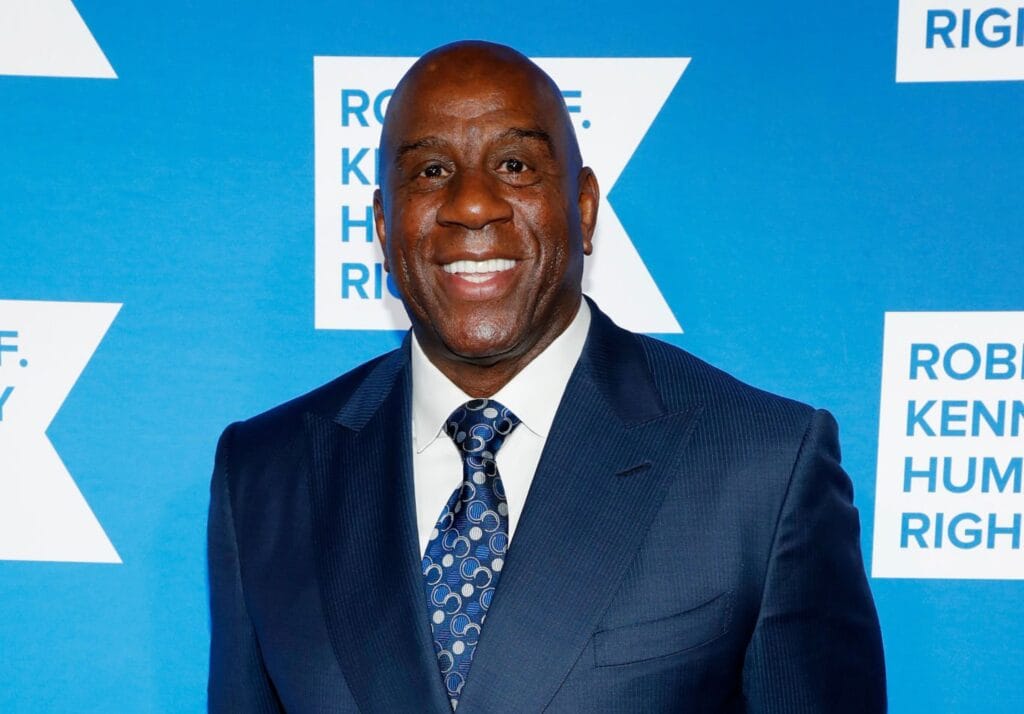
Magic Johnson is the king of “underserved market dominance.” While other retirees were buying jewelry, Magic was building movie theaters and Starbucks locations in inner-city neighborhoods. His wealth mechanic is based on the realization that minority communities had massive buying power but zero access to premium retail experiences. Through Magic Johnson Enterprises, he partnered with massive corporations to bring high-quality services to these areas, proving that “doing good” could also be incredibly “doing well” financially.
The crown jewel of his current portfolio is his 60% ownership stake in EquiTrust Life Insurance, a company that manages over $20 billion in assets. This is a “heavyweight” financial move that moves Magic far beyond the realm of simple endorsements. By owning a life insurance company, he has access to massive amounts of investment capital and a steady stream of premiums. This provides him with the “dry powder” needed to make aggressive moves in other sectors, such as his various ownership stakes in the LA Dodgers, LA Sparks, and LAFC.
Magic’s strategy is built on “strategic partnerships with the best.” He doesn’t try to build everything from scratch; he finds the market leaders and buys a seat at their table. Whether it’s his investment in the NFL’s Washington Commanders or his early play with Starbucks (which he eventually sold back for a massive profit), Magic leverages his “relatability” to open doors that are usually closed to individual investors. He is a master of the “joint venture,” using his fame to secure favorable terms in high-stakes deals.
His real estate game is equally impressive. Through the Canyon-Johnson Urban Fund, he has redeveloped billions of dollars worth of property in urban centers. This focus on “revitalization” creates both a massive social impact and a significant capital appreciation play. Magic has successfully transformed himself into a civic leader who happens to be a billionaire, proving that the Top 5 Richest Retired NBA Players can exert as much influence in the boardroom as they did on the hardwood.
3. Junior Bridgeman – Estimated Net Worth: $1 Billion+
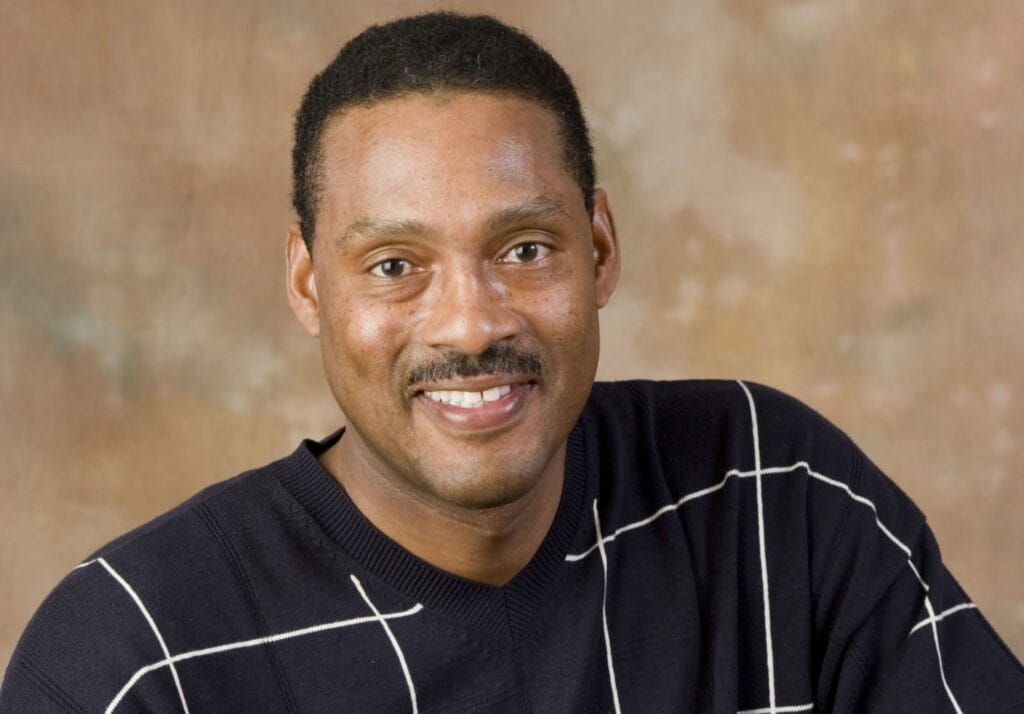
Junior Bridgeman is the most fascinating entry in the, Top 5 Richest Retired NBA Players because he wasn’t a “superstar” in the traditional sense. He never made more than $350,000 a season during his playing days, but he used his off-seasons to work at Wendy’s and learn the fast-food business from the ground up, His wealth mechanic is “operational excellence in high-volume retail.” After retiring, he began buying franchises, eventually owning over 450 Wendy’s and Chili’s locations. He didnot just own them; he operated them with a level of efficiency that became the gold standard for the industry.
In 2016, Bridgeman made a massive “exit” by selling most of his restaurant holdings for hundreds of millions of dollars. But he didn’t retire; he pivoted into the beverage industry. He launched Heartland Coca-Cola Bottling Company, which serves a massive territory in the Midwest. This move turned him into a “primary distributor” for one of the world’s most recognizable brands. By owning the distribution network He has secured a high-barrier-to-entry business that generates massive, consistent cash flow regardless of economic cycles.
Bridgeman’s recent move back into the NBA world involved purchasing a 10% stake in the Milwaukee Bucks, a deal that valued the team at $4 billion. This is a poetic full-circle moment for a man who used his modest Bucks salary to build a billion-dollar empire, He also recently acquired Ebony and Jet magazines, moving into the mediaspace to revitalize iconic Blackowned brands. This diversification shows a sophisticated understanding of “legacy assets” buying undervalued brands with high cultural capital and modernizing them.
His story is the ultimate proof that “wealth mechanics” are about discipline and systems, not just massive talent. Bridgeman built his fortune through the “unsexy” work of managing food costs, labor margins, and supply chains. He is the “silent billionaire” of the Top 5 Richest Retired NBA Players, a man who built an empire in the shadows of the more famous icons. His ability to scale a business from a single franchise to a multi-billion dollar bottling and media conglomerate is a masterclass in entrepreneurship.
4. LeBron James – Estimated Net Worth: $1.4 Billion+
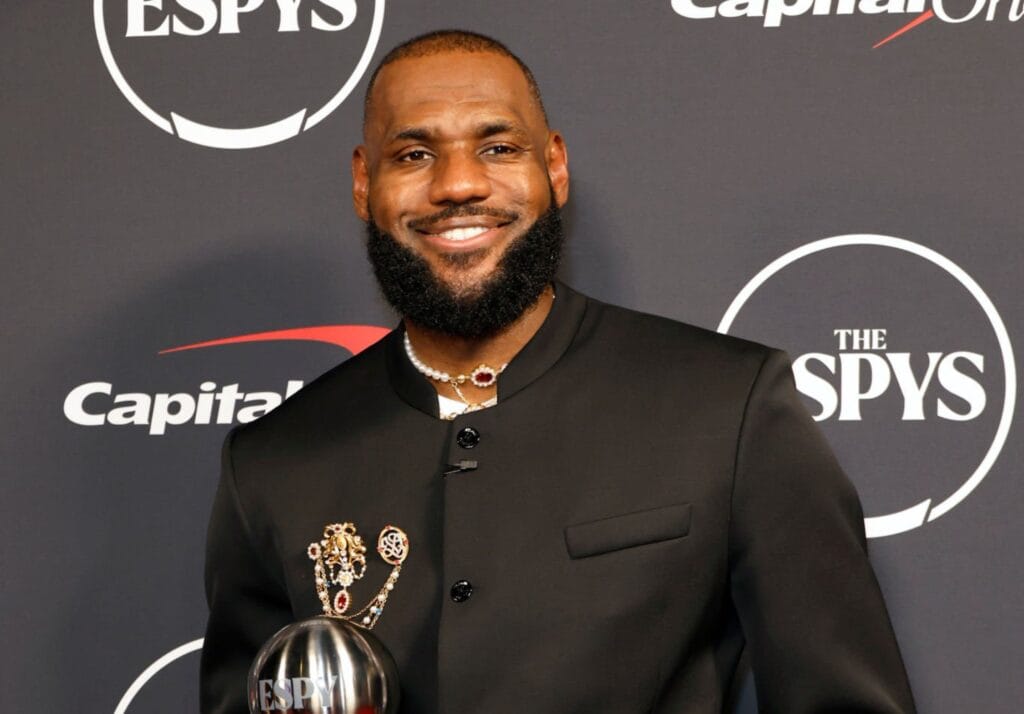
LeBron James is the first player to reach billionaire status while still technically in his “playing era” (though his business structure is that of a fully retired mogul). His wealth mechanic is “equity over endorsements.” Early in his career, LeBron stopped taking simple cash payments for ads and started demanding ownership stakes in the companies he promoted. His most famous win was with Beats by Dre; he took a small stake in exchange for marketing, and when Apple bought the company for $3 billion, LeBron reportedly walked away with a $30 million payday for doing very little work.
LeBron’s business empire is anchored by The SpringHill Company, a media and production house he co-founded that is valued at roughly $725 million. This company allows him to own the “content” he creates, from movies like Space Jam: A New Legacy to documentaries and TV shows. By owning the production, he captures the “producer fee,” the “acting fee,” and the “residual rights.” He has effectively cut out the Hollywood middleman, turning himself into a self-contained media studio that is part of the Top 5 Richest Retired NBA Players elite.
Through his partnership with Fenway Sports Group (FSG), LeBron has achieved “diversified sports ownership.” He owns pieces of Liverpool FC, the Boston Red Sox, and the Pittsburgh Penguins. This gives him exposure to the global growth of soccer and the stability of Major League Baseball. He isn’t just an NBA guy; he is a global sports conglomerate owner. This “portfolio approach” to sports ensures that his net worth continues to climb even when the NBA market is stagnant.
LeBron also has a massive real estate portfolio worth over $100 million, including high-end properties in Brentwood and a massive compound in Akron. His investment in the Blaze Pizza franchise is another example of his “multiplier” strategy—he turned a $1 million investment into a stake worth over $30 million. LeBron’s genius is his ability to use his “gravitational pull” to attract the best deals and the most brilliant partners, ensuring that he is always on the right side of the capitalization table in the Top 5 Richest Retired NBA Players.
5. Shaquille O’Neal – Estimated Net Worth: $500 Million+
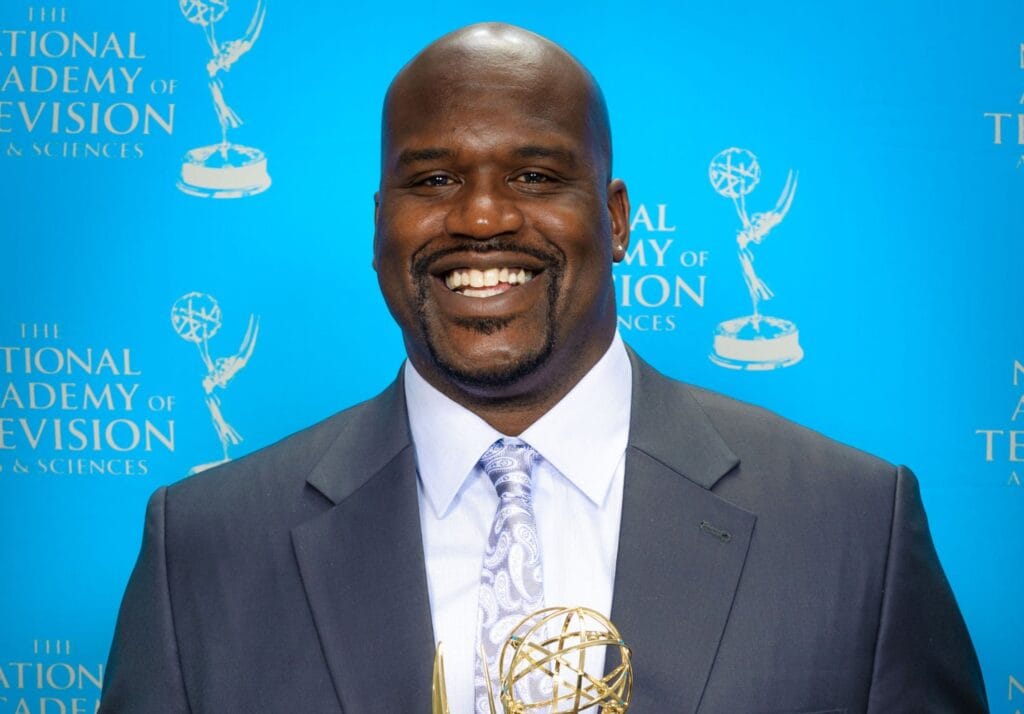
Shaquille O’Neal is the most “visible” member of the Top 5 Richest Retired NBA Players, but his goofy public persona hides a very sharp, tactical mind. Shaq’s wealth mechanic is “aggressive diversification through franchising and early-stage tech.” He was an early investor in Google (pre-IPO), which provided a massive foundation for his wealth. Since then, he has become a “franchise machine,” owning everything from Five Guys and Auntie Anne’s to car washes and 24-hour fitness centers. He views himself as a “brand ambassador for hire” who only takes deals that include a piece of the company.
One of Shaq’s most brilliant moves was his investment in Ring, the home security company. After being an early adopter and promoter, he held equity that paid out significantly when Amazon acquired the company for $1 billion. He also sits on the board of Papa John’s and is one of their largest individual franchisees. This “boardroom presence” allows him to influence the direction of the company while collecting both a director’s fee and a share of the profits. He is the ultimate “hands-on” investor who uses his physical presence to drive foot traffic.
Shaq also owns a massive stake in “The Authentic Brands Group,” which owns the licensing rights to legends like Marilyn Monroe, Elvis Presley, and even Shaq himself. This means he literally gets a cut of the “dead celebrity” economy. By owning a piece of the company that manages his own rights, he has created a circular wealth loop where he is both the talent and the owner. This is a sophisticated “meta-wealth” move that few in the Top 5 Richest Retired NBA Players have replicated.
His real estate holdings include massive commercial properties and several mansions, but he is also heavily involved in the “Big Chicken” restaurant chain, which he is scaling globally. Shaq’s philosophy is to “invest in things that make people smile,” which sounds simple but has led him to some of the most profitable consumer-facing businesses in the world. He has successfully turned his larger-than-life personality into a multi-vertical business empire that generates massive cash flow every single day.
Conclusion on Top 5 Richest Retired NBA Players
The financial evolution of these five icons demonstrates that the “post-game” career is where the real championships are won. The Top 5 Richest Retired NBA Players have moved beyond the “endorser” phase and into the “owner” phase of the global economy. By leveraging their athletic fame to acquire equity in insurance companies, media studios, and professional sports franchises, they have built empires that are resilient to market fluctuations. They have proven that the ultimate “wealth mechanic” is the ability to convert temporary fame into permanent, productive capital.
Ultimately, the Top 5 Richest Retired NBA Players serve as a blueprint for the modern athlete. They have shown that the locker room is just the starting line, and the real race is in the acquisition of assets that pay dividends while you sleep. As they continue to buy teams and launch global brands, their legacy will be defined not by their stats on the court, but by these Richest men influence on the global economy of NBA.