Introduction:
The global explosion of the Hallyu wave has transformed the Korean music industry from a regional niche into a multi-billion dollar industrial complex. The 5 Richest K-Pop Groups are no longer just performers; they are essentially diversified holding companies. These entities manage massive portfolios that include institutional-grade real estate, private equity in tech giants, and “legacy annuities” built on decades of back-catalog streaming. The shift from “idols” to “moguls” is the defining narrative of the modern entertainment economy.
While the “trainee days” were historically defined by rigorous schedules and significant personal debt, the current era is defined by ownership. The most successful groups have navigated the “seven-year curse” not just by staying together, but by restructuring their contracts to include equity stakes in their parent labels or by founding their own independent subsidiaries. This transition allows them to capture the full “upside” of their global brand power, turning temporary fame into permanent, productive capital. Here is the analysis of the five most financially dominant groups in the industry.
1. BTS – Collective Net Worth: $150 Million – $350 Million+

BTS stands at the absolute pinnacle of the wealth hierarchy, primarily due to a revolutionary wealth mechanic: “Direct Equity Participation.” Unlike previous generations of artists who were strictly employees, the members of BTS were gifted hundreds of thousands of common shares in their parent company, HYBE, prior to its initial public offering. This move turned the members into “stock millionaires” overnight, tying their personal net worth to the company’s market performance rather than just album sales. In the current market, these holdings represent a massive liquid asset base that continues to compound.
The group’s revenue engine is further bolstered by their “Annuity-Based Music Portfolio.” BTS has mastered the art of the “re-release” and the “legacy stream,” where their massive back catalog generates millions of dollars in monthly royalties with near-zero marketing costs. This passive income stream is a “lifestyle annuity” that funds their private investments in high-end real estate, such as the prestigious “Hannam The Hill” and “Nine One Hannam” complexes in Seoul. They aren’t just selling music; they are managing a global intellectual property franchise that functions like a blue-chip stock.
Individual members have also diversified into “Niche Asset Classes.” For instance, J-Hope and RM are known for their significant investments in contemporary art, holding pieces that have appreciated significantly in the secondary market. Jin has ventured into the hospitality sector, co-owning luxury Japanese-style restaurants that provide a steady cash-flow hedge against the volatility of the entertainment cycle. This “multi-vertical” approach ensures that even when the group is not actively touring, their collective wealth is growing through dividends, rental income, and asset appreciation.
The group’s touring efficiency is also unmatched. By shifting to a “Stadium-Only” model, they maximize the margins on every ticket sold, often grossing tens of millions of dollars per stop. This high-yield touring strategy, combined with record-breaking merchandise sales—where fans purchase everything from branded tech to high-end apparel—creates a level of liquidity that allows the members to act as venture capitalists. They are the ultimate example of how a K-pop group can transition from being the “product” to being the “owners” of the entire value chain and ranks on the top in The 5 Richest K-Pop Groups.
2. BLACKPINK – Collective Net Worth: $100 Million – $150 Million+

BLACKPINK has redefined the wealth mechanics of the girl group through a strategy of “Strategic De-intermediation.” After years of operating under a traditional label structure, the members successfully pivoted to a “Hybrid Contract” model. They maintain their group activities under their original label while launching their own independent management houses—such as LLOUD, ODD ATELIER, and BLISSOO—for their solo ventures. This allows them to bypass the traditional 30% to 50% management fee, capturing 100% of the revenue from their high-ticket solo projects and brand deals.
Their primary wealth engine is the “Human Luxury Dividend.” Each member serves as a global ambassador for “Top Tier” fashion houses like Dior, Chanel, Saint Laurent, and Louis Vuitton. These are not just endorsement deals; they are long-term commercial partnerships that involve massive upfront guarantees and performance-based bonuses linked to global sales metrics. By positioning themselves as the “faces of luxury,” they have turned their personal aesthetics into a permanent, high-margin asset that transcends the shelf life of a typical pop song.
The group’s “Touring ROI” is also a significant contributor to their massive net worth. Their world tours have consistently broken records for gross revenue among female acts, largely because they command a premium price for “VIP Experiences” and exclusive “Soundcheck Access.” This focus on the high-end consumer allows them to generate more profit from a single arena show than most groups make from an entire tour. This liquidity is frequently reinvested into prime commercial real estate in districts like Seongbuk-dong, where property values are among the highest in Asia.
Furthermore, BLACKPINK has mastered “Digital Scarcity.” By releasing music less frequently than their competitors, they create an “event-based” economy where every release triggers a massive spike in stock value for their partners and a flurry of high-priced sponsorship opportunities. This “less-is-more” approach maintains their “luxury status” and ensures that their brand remains “aspirational” rather than “accessible.” In the world of high finance, they are the “Hermès” of K-pop—rare, expensive, and always in demand is on the 2nd in the list of The 5 Richest K-Pop Groups.
3. EXO – Collective Net Worth: $100 Million+
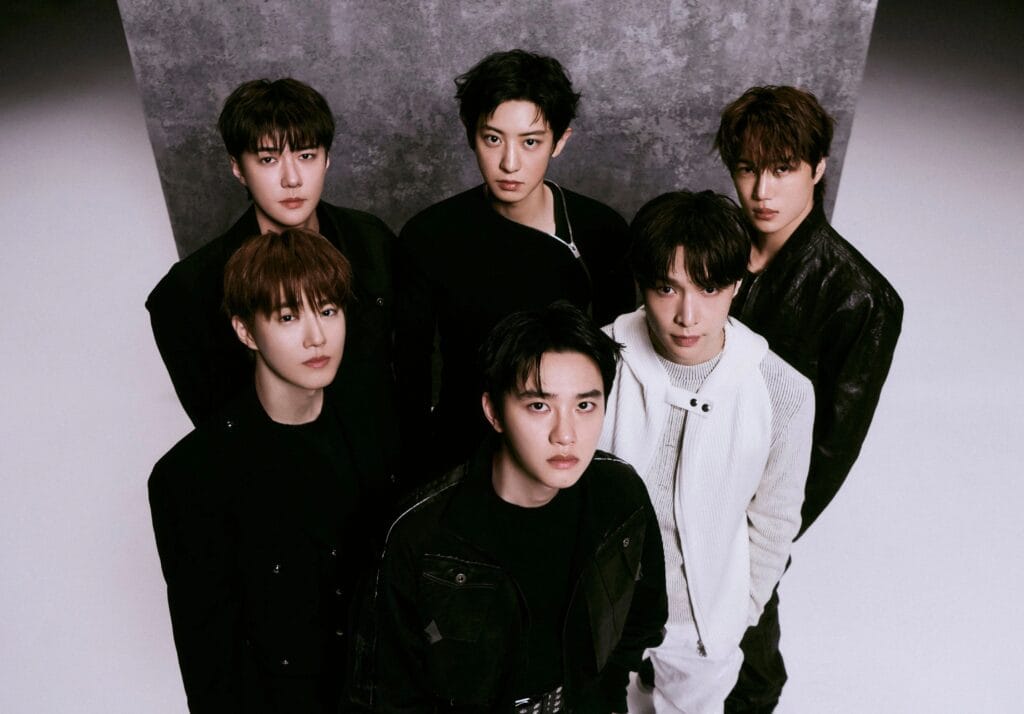
EXO has secured its place among the elite through a sophisticated mechanic of “Cross-Border Market Arbitrage.” While many groups focus solely on the domestic Korean market, EXO spent a decade building a massive “dual-track” career in both South Korea and China. This allowed them to capture revenue from two of the world’s largest music markets simultaneously. Members like Lay Zhang have even established their own major entertainment agencies in China, creating a self-sustaining ecosystem of talent management and production that functions independently of the Korean label system.
The group’s wealth is heavily anchored in “Institutional Real Estate.” Several members have become “Celebrity Landlords,” purchasing multi-story commercial buildings in Seoul that house everything from tech startups to trendy cafes. These properties provide a “hard asset” foundation that protects their wealth from the inflationary pressures of the digital economy. In the business of K-pop, these real estate portfolios are the ultimate “retirement fund,” providing a level of monthly passive income that far exceeds their original idol salaries.
EXO also benefits from “Senior Artist Profit Splits.” Having been in the industry for over a decade, they have renegotiated their contracts to favor the artist, often retaining 80% or more of the profit from their solo activities and physical album sales. This “equity-heavy” contract structure is a hallmark of the Top 5 Richest K-Pop Groups, where the leverage shifts from the label to the artist over time. This allows them to fund their own creative projects—like D.O.’s acting ventures or Suho’s musical theatre career—without needing external financing.
Their “Legacy Value” is another key wealth driver. EXO continues to sell out “Fan Meetings” and “Anniversary Concerts” that serve as high-margin cash cows. Because the marketing for an established brand like EXO is significantly cheaper than for a rookie group, the “net profit” on their activities is incredibly high. They have moved past the “growth phase” and into the “dividend phase” of their careers, where they are essentially collecting the interest on the cultural capital they built during their peak years.
4. TWICE – Collective Net Worth: $80 Million – $100 Million+

TWICE is the “operational efficiency” leader of the group, utilizing a wealth mechanic of “High-Velocity Retail Integration.” Unlike groups that focus on “prestige” and “scarcity,” TWICE operates on a high-volume model, releasing multiple albums and singles every year to keep their “merchandise engine” running at full capacity. This constant activity ensures a steady, predictable cash flow that allows their parent label, JYP Entertainment, to reinvest in the group’s global expansion, further increasing the members’ collective net worth through profit-sharing.
Their most potent financial asset is their “Dominance in the Japanese Market.” Japan is the second-largest music market globally, and TWICE is the most successful Korean girl group in Japanese history. They have cultivated a “Yen-Denominated Annuity” through constant dome tours and physical CD sales, which are still a massive industry in Japan. The stability of the Japanese market provides a “safe haven” for their earnings, protecting their wealth from the more volatile fluctuations of the global streaming charts.
TWICE has also pioneered the “Fan-Platform Monetization” model. They were early adopters of private messaging apps and exclusive fan-club platforms that charge a monthly subscription fee for direct access to the members. These “micropayments” from millions of fans worldwide add up to a significant monthly revenue stream that requires almost zero overhead. It is the ultimate “recurring revenue” model, turning the group’s daily life into a digital product that generates profit 24/7.
The group’s wealth strategy is also visible in their “Endorsement Density.” While other groups might hold three or four luxury deals, TWICE often holds dozens of “Mid-Tier to High-Tier” partnerships across beauty, electronics, and lifestyle sectors. This “volume-based” endorsement strategy ensures that they are visible in every retail aisle, from drugstores to department stores. By capturing the “mass market,” they have built a fortune that is diversified across multiple consumer sectors, making them one of the most financially resilient groups in the world.
5. TVXQ – Collective Net Worth: $50 Million – $100 Million+ (Individual high-flyers)
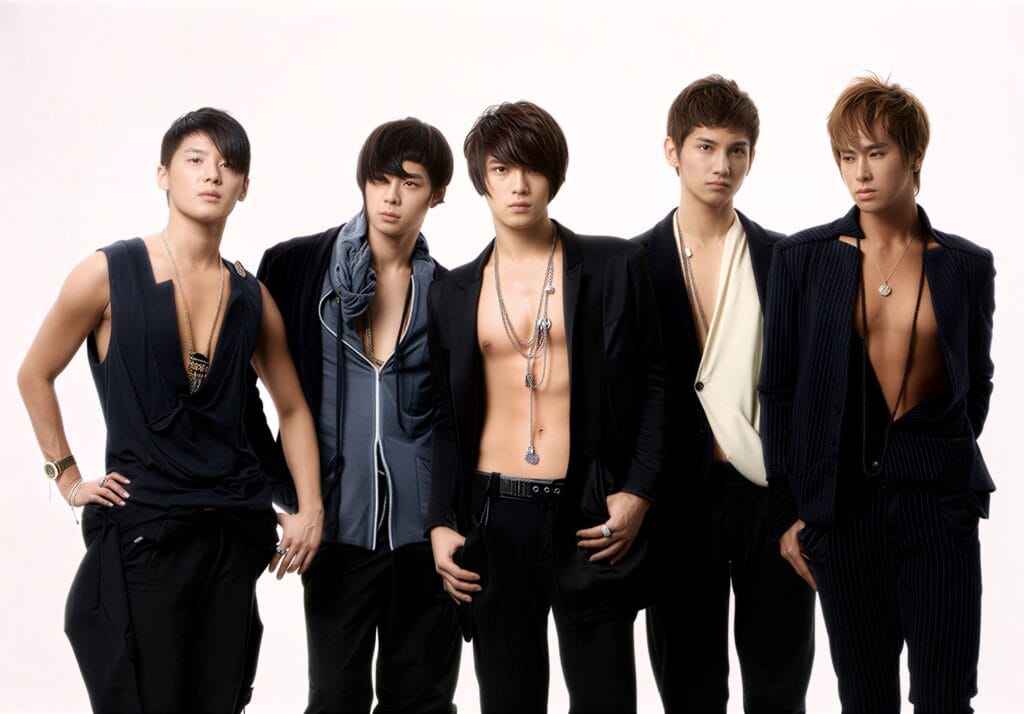
TVXQ (DBSK) represents the “old money” of the K-pop world, with a wealth mechanic centered on “Perpetual Legacy Touring.” As pioneers of the Hallyu wave in Japan, they possess a “Godfather Status” that allows them to sell out stadiums and arenas with zero traditional promotion. Their “Nissan Stadium” runs are legendary in the industry for their profit margins; because the group has been active for over 20 years, their “production amortisation” is complete, meaning almost every dollar of ticket sales goes directly into the profit column.
Their wealth is largely held in “Senior Real Estate Portfolios.” Members like Kim Jaejoong (whose wealth is inextricably linked to the group’s initial explosion) are famous for owning multi-million dollar residential buildings and high-end cafes in the most expensive parts of Tokyo and Seoul. This “inter-continental” real estate strategy allows them to benefit from property appreciation in two different currencies. They have effectively turned their early idol earnings into a “real estate empire” that provides generational wealth.
The group also benefits from “High-Percentage Royalties.” As “senior artists” under the SM Entertainment umbrella, they have the most favorable contract terms in the company. They receive a massive share of the “performance and physical” revenue, which is significant given their “legend” status in the physical-media-loving Japanese market. This “royalty capture” is the ultimate reward for longevity in the K-pop industry, where the “survivors” of the early eras are now the ones collecting the largest checks.
TVXQ’s financial strategy is a masterclass in “Brand Preservation.” They have avoided over-saturating the market, choosing instead to focus on high-ticket “Anniversary Events” and premium “Fan Tours.” This keeps their “brand equity” high and allows them to charge exorbitant fees for private appearances and legacy endorsements. They are the “living legends” of the industry, proving that in the world of K-pop, if you can build a loyal enough fanbase, you can essentially live off the “interest” of your fame for the rest of your life.
Conclusion on The 5 Richest K-Pop Groups
The financial evolution of these five groups demonstrates that the “idol” title is merely the first chapter in a larger story of “Asset Acquisition and Equity Ownership.” The 5 Richest K-Pop Groups have successfully transitioned from being the “talent” to being the “capital,” proving that the most valuable muscle in the music industry is the one that understands a balance sheet. By diversifying into real estate, founding their own labels, and capturing direct equity in their parent companies, they have secured a level of financial sovereignty that was previously unthinkable in the entertainment world.
Ultimately, these groups represent the new “Private Equity” class of Asia. They have decoupled their earnings from the physical labor of performing, creating “passive wealth machines” that will continue to produce revenue long after they hang up their microphones. As the “wellness and entertainment” economy continues to grow, the net worth of these groups will only climb higher, fueled by the compounding interest of their global influence. There Richest Companies aren’t just making music; they are building some of the most profitable business empires of the modern age.