Introduction:
If you still think the women who defined the “Heroin Chic” and “Glamazon” eras of the 1990s were just genetic lottery winners who got paid to look bored in front of a Hasselblad, you are missing the most important pivot in the history of the “Attention Economy.” We have moved far beyond the days of the $10,000-a-day “day rate.”
The individuals who occupy the list of the Top 5 Richest Supermodels of the 90s are not “models” in the traditional sense; they are sophisticated holding companies that happen to have a human face as their primary logo. They didn’t just survive the transition from film to digital; they used their 90s fame as “Seed Capital” to buy into the very industries that used to hire them.
1. Kathy Ireland – Estimated Net Worth: $500 Million+
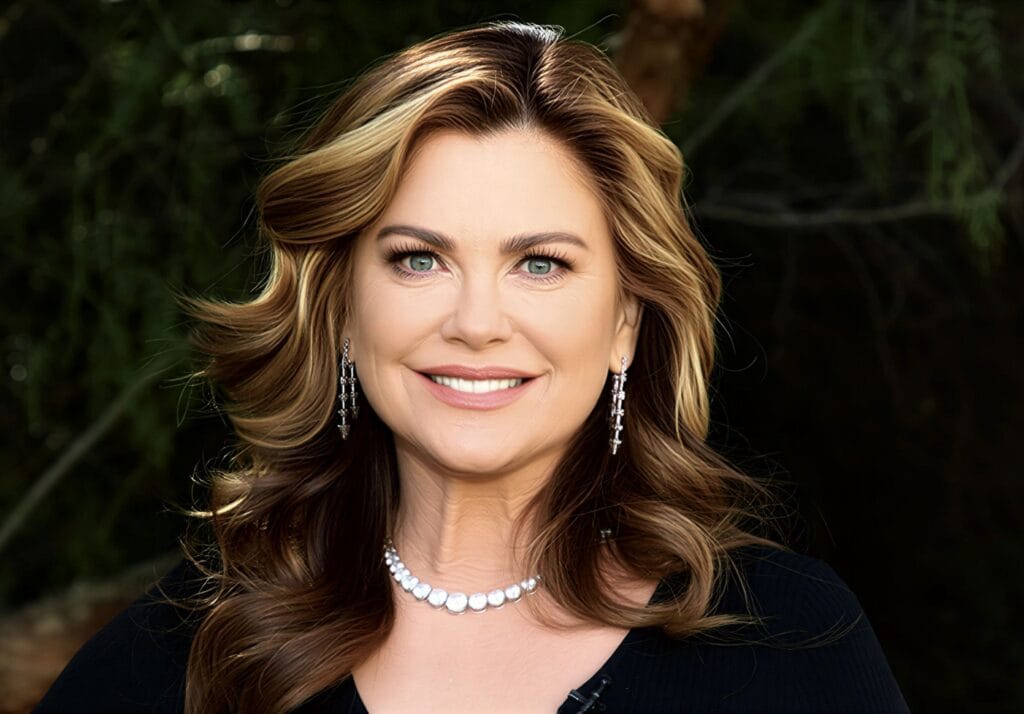
Kathy Ireland is the “Quiet Titan” of the Top 5 Richest Supermodels of the 90s. While her peers were chasing movie roles or high-fashion prestige, Ireland was busy building a “Licensing Machine” that most people didn’t even realize existed until it was clearing $2 billion in annual retail sales.
Her journey into the billionaire-adjacent bracket started with a single pair of socks at Kmart in 1993. Most models would have seen a sock deal as a “down-market” move that would hurt their “high-fashion” credibility. Ireland saw it as a “Volume Play.” She realized early on that there is significantly more money in selling a $10 product to 100 million people than there is in selling a $10,000 gown to 100 people.
The core of her wealth today is Kathy Ireland Worldwide (kiWW). This isn’t a company that manufactures furniture or rugs; it is a company that “Rents Its Reputation.” This is a “Zero-Inventory-Risk” mechanic. By licensing her name to established manufacturers in the home, jewelry, and bridal spaces, Ireland captures a percentage of every sale without having to carry the “Capital Expenditure” of factories or the “Inventory Risk” of unsold goods.
Ireland’s wealth is also protected by “The Buffett Strategy.” After a chance meeting with Warren Buffett, she focused her business on “Sticky Categories”—things people need regardless of the fashion cycle, like mattresses, ceiling fans, and baby furniture. In a world where “trends” are the enemy of wealth, Ireland focused on the “Boring-but-Stable” assets.
This “Essential-Asset” focus acts as a “Permanent Hedge” against the volatility of the entertainment industry. By converting her 90s Sports Illustrated fame into a “Hard-Goods” empire, she ensured that her net worth would grow even as she stepped entirely out of the spotlight.
Finally, she has mastered the “Institutional Equity” play. Her company doesn’t just sell products; it manages brands for other celebrities and corporate entities. This “B2B Expansion” means that Kathy Ireland Worldwide is now a service provider to the next generation of moguls.
She has successfully turned her brand into a “Global Infrastructure” that generates cash flow 24/7. This “Infrastructure-First” model is why she sits at the top of the Top 5 Richest Supermodels of the 90s. She didn’t just build a brand; she built a platform that other brands are forced to use.
2. Cindy Crawford – Estimated Net Worth: $400 Million+
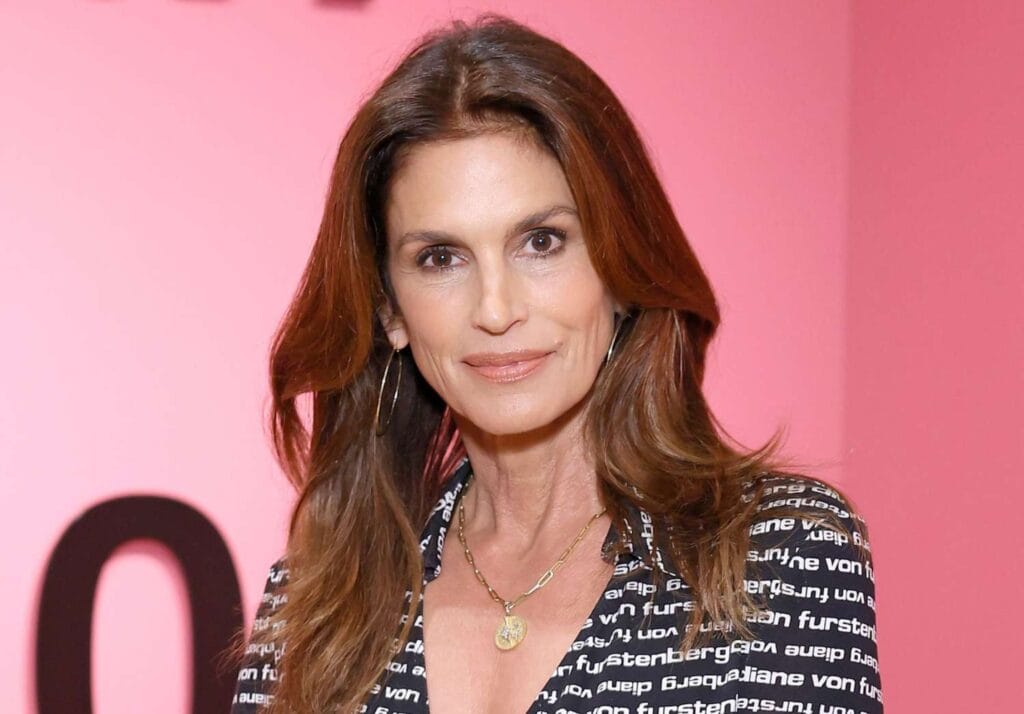
Cindy Crawford represents the “Vertical Integration” tier of the Top 5 Richest Supermodels of the 90s. While her 90s career was defined by massive “Ambassador Contracts” with brands like Pepsi and Revlon, her 21st-century wealth is built on “Owner-Operator Equity.”
The primary wealth mechanic for Crawford is her 50% stake in Meaningful Beauty, a skincare brand she launched in partnership with Guthy-Renker. For those who don’t know the mechanics of direct-response marketing, Guthy-Renker is the firm that turned “Infomercials” into a multi-billion dollar science. Crawford didn’t just take a “Talent Fee” to appear in the commercials; she took half of the “Gross Margin.”
The math of Meaningful Beauty is staggering. Over the last two decades, the brand has reportedly cleared over $100 million in annual revenue. Because Crawford owns the equity, she isn’t just getting a paycheck; she is building “Enterprise Value.” This is the “DTC Moat” mechanic.
By selling directly to the consumer through subscriptions and television spots, the company bypasses the “Retailer Tax” that department stores like Nordstrom or Macy’s would take. This allows her to capture a massive “Spread” between the cost of the cream and the retail price. For the Top 5 Richest Supermodels of the 90s, this kind of “Margin Capture” is the difference between being a millionaire and a centi-millionaire.
Crawford has also been a “Real Estate Arbitrageur.” She and her husband, Rande Gerber, have treated the Malibu coastline like a personal Monopoly board. They famously bought a “Fixer-Upper” beachfront estate for $50 million, renovated it, and sold it for nearly $100 million a few years later.
This “Land-Grab” strategy is a classic move for the elite in the supermodel world. Physical land in high-barrier-to-entry zip codes like Malibu and Miami acts as a “Store of Value” that is almost entirely decoupled from the stock market. By rotating her “Skincare Liquidity” into “Appreciating Coastal Assets,” she has built a balance sheet that is virtually bulletproof.
Furthermore, Crawford’s wealth is bolstered by her “Legacy Furniture Annuity.” The Cindy Crawford Home collection has been a staple at retailers like Rooms To Go for years. This is another “Licensing-to-Equity” play. She provides the design aesthetic and the brand authority, and the furniture giant handles the logistics.
This “Multi-Channel” approach ensures that she has cash flow from both the “Beauty” and “Lifestyle” sectors simultaneously. Among the Top 5 Richest Supermodels of the 90s, Crawford is the one who most effectively practiced “Cross-Category Dominance.” She isn’t just a face; she is the “CEO of the American Living Room.”
3. Gisele Bündchen – Estimated Net Worth: $400 Million+
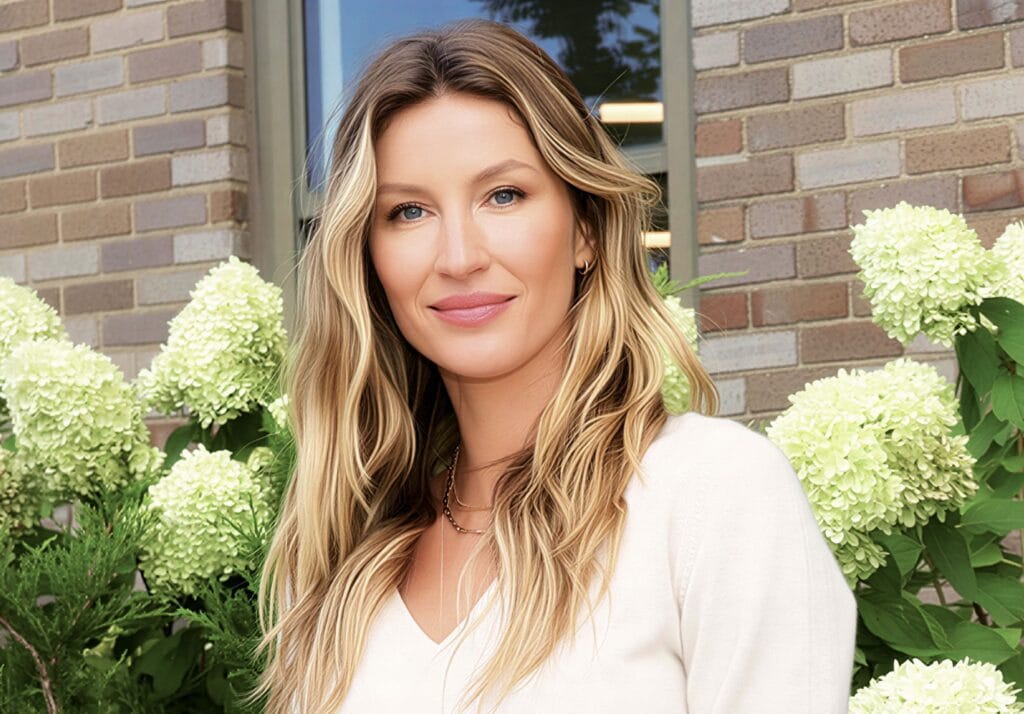
Gisele Bündchen is the “Global Export” model of the Top 5 Richest Supermodels of the 90s. Although her fame peaked in the early 2000s, she was the “Discovery of the Decade” in the late 90s, famously ending the “Heroin Chic” era with what Alexander McQueen called “The Body.” Her wealth mechanic is built on “Global Scaling.”
Unlike many of her peers who focused on the American market, Gisele leveraged her Brazilian roots to tap into the “Emerging Market” boom. The most successful example of this is her partnership with Ipanema sandals. This wasn’t a standard endorsement; it was a “Royalty-per-Unit” deal that moved over 250 million pairs of sandals worldwide.
The math here is a “Volume Play.” If a model gets $1 for every pair of shoes sold, and they sell 250 million pairs, they have built a quarter-billion-dollar “Annuity” that doesn’t require them to ever walk a runway again. This is the “Mass-Market Leverage” mechanic.
By attaching her name to an affordable, high-volume consumer product, Gisele built a wealth engine that generated more cash than her high-fashion contracts ever could. For the Top 5 Richest Supermodels of the 90s, this ability to “Go Mass” while maintaining “Luxury Appeal” is the ultimate financial balancing act.
Gisele is also an “Environmental & Agricultural Investor.” She has spent decades buying up massive tracts of land in Brazil, focusing on “Sustainable Development” and reforestation. This isn’t just philanthropy; it’s “Long-Term Resource Management.” As global markets increasingly value carbon credits and sustainable land use, her “Green Portfolio” is becoming a significant “Hidden Asset.”
She also holds a massive “Real Estate Compound” in Miami, including a $14.5 million waterfront home that she is reportedly turning into a sprawling family estate. This “Concentrated Equity” in Miami’s hyper-growth market ensures that her wealth is growing in step with the world’s elite.
Finally, she has mastered the “Prestige-to-Profit Pivot.” Even after “retiring” from the runway, she commands “Record-Breaking” fees for luxury campaigns because she understands “Scarcity Value.” By limiting her appearances, she keeps her “Market Price” artificially high.
This “Supply-Side Management” allows her to work less while earning more per hour than almost anyone else in the industry. Gisele remains a powerhouse among the Top 5 Richest Supermodels of the 90s because she understands that “Attention” is a finite resource that must be managed like a “Private Equity Fund.”
4. Heidi Klum – Estimated Net Worth: $160 Million+
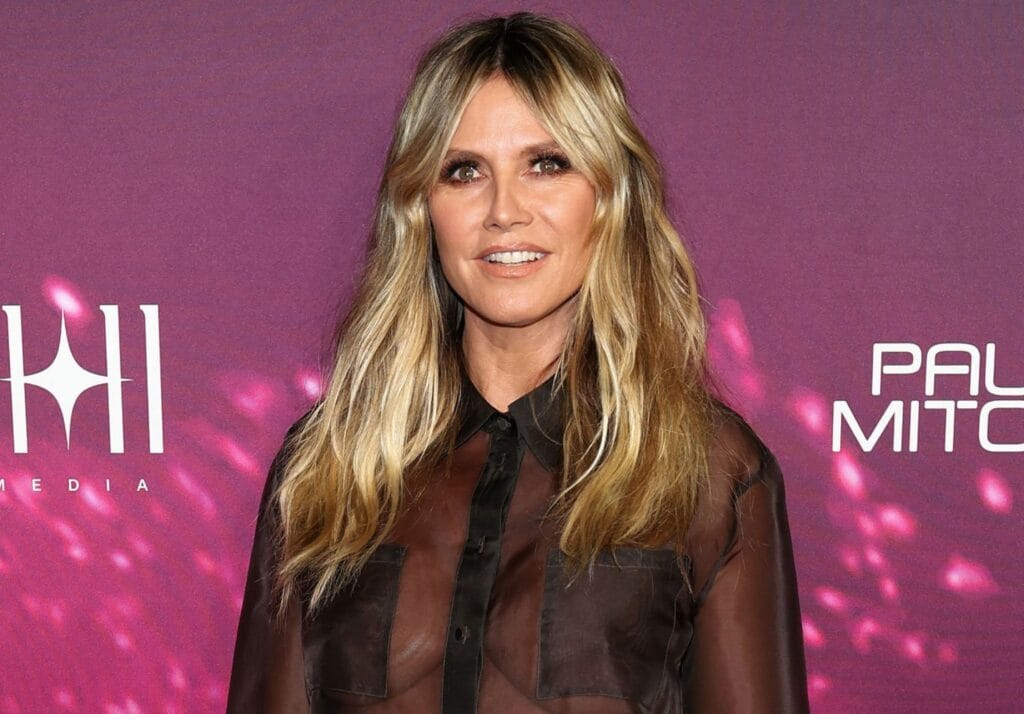
Heidi Klum is the “Executive Producer” of her own life. While she became a household name as a Victoria’s Secret Angel in the late 90s, her real wealth was built by “Owning the Camera.” The primary wealth mechanic for Klum is “Production Rights.” She didn’t just want to be the host of Project Runway;
she wanted to be the Executive Producer. This allows her to capture the “Back-End Participation” and “Format Fees” that ordinary talent never sees. When a show becomes a global franchise, the “Format Owner” gets a check every time a version of that show is produced in a different country. This is “Intellectual Property Arbitrage.”
Wait, let’s look at the “German Dominance” math. Klum is the face and owner of Germany’s Next Top Model, which has been a ratings juggernaut for nearly 20 years. In the German market—one of the largest media economies in the world—Klum is effectively an “Institutional Monopoly.”
She controls the pipeline for new modeling talent and captures a piece of their initial earnings through her “Winner Management” clauses. This “Vertical Talent Integration” is a massive multiplier for her net worth. It transforms her from a “Television Personality” into a “Media Mogul” who owns the means of production and the talent pipeline.
Klum also benefits from the “Institutional Salary Premium.” As a long-standing judge on America’s Got Talent, she reportedly commands a salary of roughly $3 million per season. When combined with her European deals, her “Active Income” provides a massive “Liquidity Foundation” that allows her to invest in “High-Yield Portfolio Assets” without ever touching her principal capital.
This “Low-Burn, High-Yield” lifestyle is protected by her “Diversified Licensing” deals, including a long-standing clothing line with the supermarket giant Lidl. By selling “High-Fashion Aesthetics” at “Supermarket Prices,” she captures the “Value-Tier” consumer that other supermodels ignore.
Her wealth is further bolstered by her “Strategic Asset Flip” in the real estate market. She famously sold her Bel-Air mansion for a massive profit and has maintained a “High-Value Penthouse” portfolio in New York City. Among the Top 5 Richest Supermodels of the 90s, Klum is the one who most effectively practiced “Geographic Arbitrage.”
She earns in Euros and Dollars, diversifying her “Currency Risk” and ensuring that her empire is stable regardless of which continent is facing an economic downturn. She is the “Chief Content Officer” of a multi-million dollar “Brand Ecosystem” that operates with surgical precision.
5. Tyra Banks – Estimated Net Worth: $90 Million+
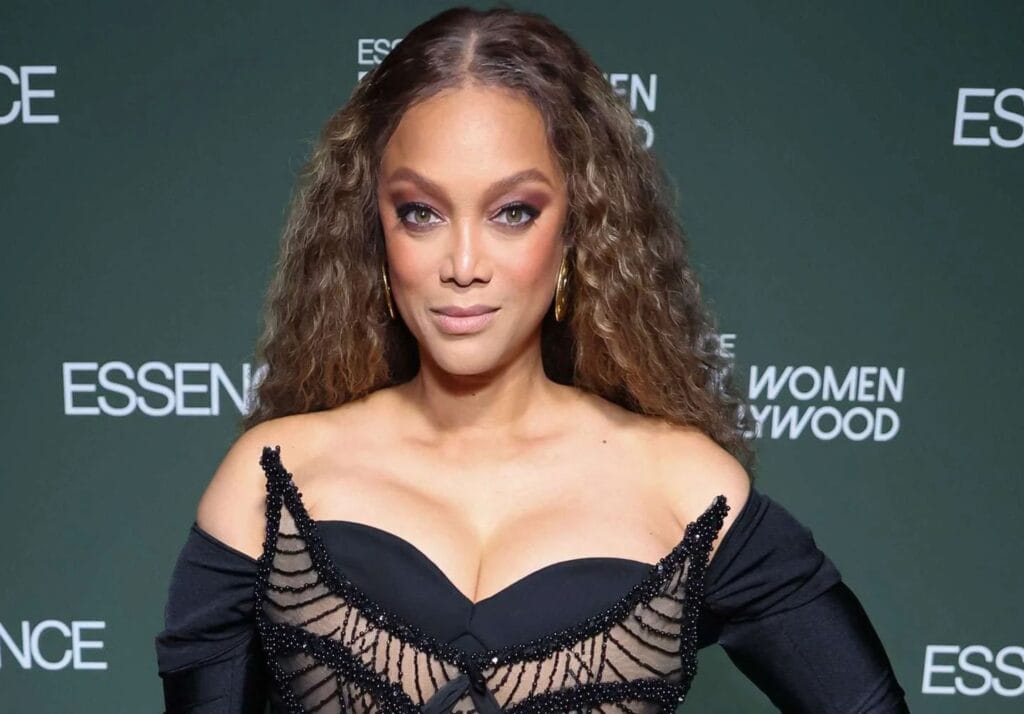
Tyra Banks is the “Format Queen” of the Top 5 Richest Supermodels of the 90s. Her wealth story is anchored by the creation of America’s Next Top Model (ANTM). This was the ultimate “IP Creation” play. Instead of waiting for a network to give her a show, she “Conceptualized the Asset.” At its peak, the ANTM format was sold to over 40 countries.
This meant that while Tyra was sleeping, production companies in Poland, Australia, and Brazil were paying her “Licensing Fees” to use her rules, her taglines, and her branding. This “Global Syndication” is the holy grail of media wealth—it is a “Legacy Annuity” that pays dividends for decades.
The mechanic of her wealth now is “Capital Rotation.” Through her company, Bankable Productions, she has branched out into “Direct-to-Consumer” ventures and “Experimental Retail,” like her Smize & Dream ice cream brand. While some of these ventures are high-risk, they are funded by the “Passive Income” from her television formats.
This allows her to “Swing for the Fences” on new business models without risking her core net worth. For the Top 5 Richest Supermodels of the 90s, this “Risk-Shielding” is essential for long-term survival in the “Canceled-Culture” economy.
Tyra is also a “Real Estate Flipping” specialist. She has a reputation in the industry for buying properties in the Pacific Palisades and Malibu, “Adding Value” through high-end renovations, and selling them for a $2 million or $3 million gain within 18 months.
This “Short-Term Capital Gain” strategy provides her with “Tactical Liquidity” that she can use to fund her other business ventures. It’s a “High-Velocity” wealth mechanic that keeps her cash working for her at all times. By treating houses like “Consumer Products” rather than “Homes,” she has built a significant “Secondary Wealth Engine.”
Finally, she has mastered “Social Capital Monetization.” Her teaching stint at Stanford University and her “Personal Branding” lectures are not just about prestige; they are about “High-Ticket Consulting.” She is selling the “Manual” on how she built her empire to the next generation of CEOs.
This “Knowledge Equity” is a favorite for the elite members of the Top 5 Richest Supermodels of the 90s because it has almost zero overhead and high prestige value. Tyra has turned the act of “being a supermodel” into a “Case Study in Entrepreneurship.” She is a permanent fixture on this list because she understands that the “Format” is always more valuable than the “Face.”
Conclusion on the Top 5 Richest Supermodels of the 90s
The reality of the Top 5 Richest Supermodels of the 90s is that they all realized the same fundamental truth: the “Supermodel” title is a depreciating asset if you don’t convert it into “Institutional Capital.” If you want to build generational wealth, you have to move into “Asset Ownership.” Whether it is Kathy Ireland’s licensing empire, Cindy Crawford’s DTC skincare moat, or Tyra Banks’ global television formats, the common denominator is “Equity.” They all took their initial “Day Rate” and converted it into a “Legacy Annuity.”
Ultimately, these five women are no longer just models; they are “Sovereign Holding Companies.” They have diversified their income streams across real estate, production, consumer goods, and digital IP, ensuring that their net worth is decoupled from the fate of any single magazine cover or runway show. The Top 5 Richest Supermodels of the 90s used their time in the spotlight to fund a lifetime of influence on the “Cap Table.” They mastered the “Attention Economy” and converted it into “Hard Capital.”
The next time you see a 90s throwback photo, don’t just look at the clothes. Look at the branding, remember the “Spread,” and realize that the person in the picture is likely the owner of the products you are buying today. They are the original “Influencers,” but unlike the modern version, they own the “Backend.” These are the Top 5 Richest Supermodels of the 90s, and they have rewritten the rules of the game for anyone looking to turn a genetic gift into a sovereign empire and become the richest women, in walking modeling industry.