Introduction:
The fitness world has experienced a silent, high-stakes mutation. A decade ago, these Top 5 Richest Female Fitness Models the aspiration for a successful female fitness model was to be on a magazine cover or score that protein powder endorsing deal where they paid you in monthly retainers. These days, the “model” tag is all but a misnomer—it’s just top-of-funnel market sizing for ginormous private equity plays, software-as-a-service (SaaS) empires and consumer-packaged-goods (CPG) conglomerates. The women on this list are not only selling a body; they’re juggling complex balance sheets, steering nine-figure acquisitions and establishing legacy annuities that don’t even notice the social media algorithm.
This move from “talent” to “owner,” makes for the greatest wealth transfer in wellness history. The five women, by turning away from the “work-for-hire” model and toward equity stakes, have fundamentally changed the blueprint for what it is to be a fitness professional. They have been exchanging temporary visibility for lasting assets.
1. Katy Hearn: The CPG Powerhouse
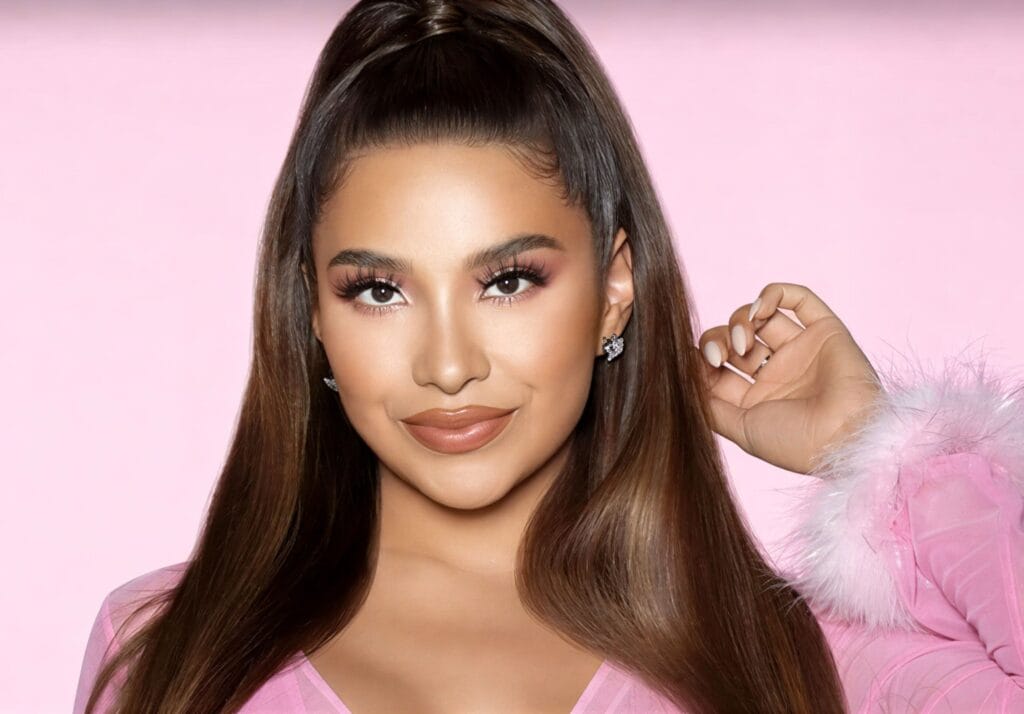
Katy Hearn’s career is the model example of how to turn “influence” into a real, exit-able asset. Most of the other fitness models were hustling to sign one-off sponsorships, but Hearn and her husband, Haydn Schneider, had been quietly building a supplement brand that they called Alani Nu. What began as a targeted effort to solve the “bad taste” issue in women’s supplements grew into a retail juggernaut. The mechanics here are intriguing: they weren’t just selling online; they crushed the traditional “Ready-to-Drink” (RTD) market, capturing shelf space in every major gas station and grocery chain throughout all of North America.
Hearn’s financial high point was the final sale of Alani Nu to Celsius Holdings. The deal was said to be worth around $1.8 billion and is still a landmark for the influencer economy. This isn’t a “brand collaboration;” this is massive, wholesale corporate acquisition of a firm bringing in hundreds of millions per year. For Hearn, it’s no longer just about her daily posting schedule—now, she’s set to have a sizable chunk of cash and stock at the ready from a multi-billion dollar beverage behemoth.
The actual “mechanic” that drove Hearn’s fortune was the shift from a service-based business (fitness challenges) to one with a product and an extremely high purchase consumption rate. While a fitness guide is something you would probably buy once, and a can of energy drink is something you would consume every day. By acquiring the “daily habit” niche, Hearn created a brand that would be appealing to a public company like Celsius, who was looking to diversify its portfolio into a younger, more feminine demographic.
In addition to the supplements, Hearn has also diversified her investments into other asset classes with her apparel line “Stori” and CBD products “Onyx + Rose.” ‘These are not hobbies; these are stand-alone business units designed to collect different segments of the wellness dollar. Her real estate investments in Kentucky and Florida also underscore it, moving her wealth out of the digital ether and into the real world. That she has — successfully managing the most difficult transition in fashion: from being the “face” of a brand to its Artificer of Departures.
2. Kayla Itsines: The SaaS Queen
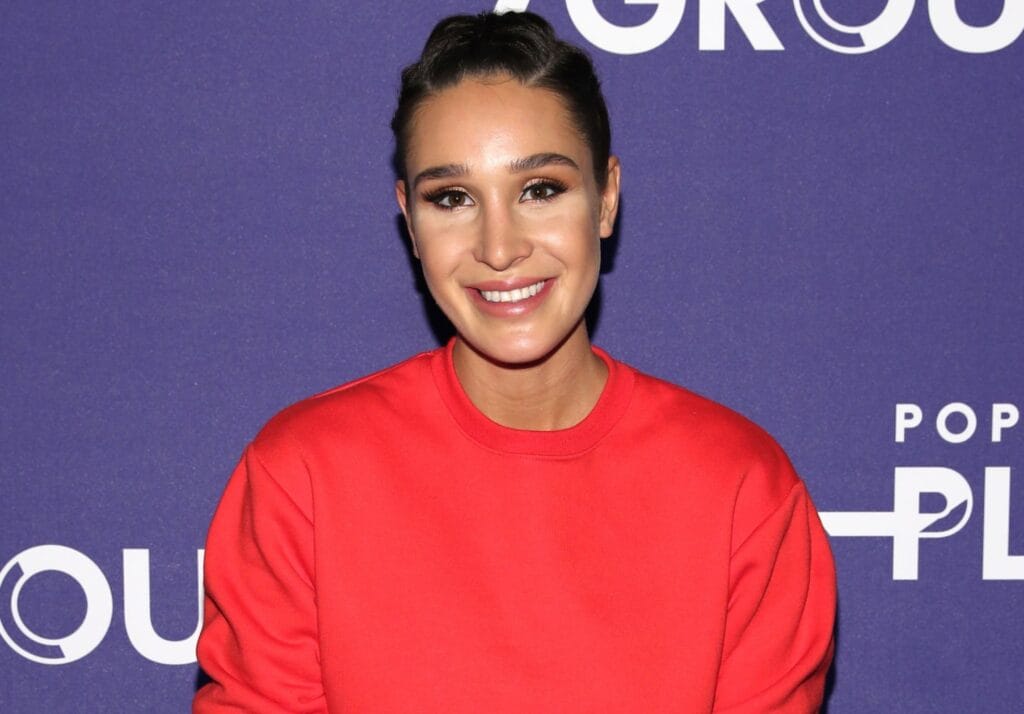
Kayla Itsines may be digital fitness’ most famous name, but it’s the “SaaS” model that has really made her rich. In the early days, she sold PDF guides — a static one-off product. But the shift to the Sweat app transformed her brand into a recurring revenue machine. Rather than asking her millions of followers for $50 once, she asked them for $20 every month. The math of subscription models is what makes millionaires out of not real life rich people, and Itsines figured it out before there were a lot of other ones in that mansion.
The Sweat app’s “mechanic” was its scale. Unlike a physical gym, where it costs roughly the same to run even if there are 1,000 users or 10,000 users. In 2021, the parent company of Sweat was sold to iFIT Health & Fitness for an undisclosed amount (but rumored to be somewhere around $400 million AUD). It was a huge liquidity event for Itsines, but it wasn’t the end of the story. In a rare show of “buyback” force, Itsines and her co-founder took control back over the brand, giving them not one but two chances to continue milking the “legacy annuity” they’ve built up in their vast subscriber base so she counts in Top 5 Richest Female Fitness Models
She’s earned her wealth by following the community-first mentality. With the “BBG” (Bikini Body Guide) community, she built an unpaid marketing army. These women didn’t just follow her; they saw themselves in the brand, a level of what retailers call “customer stickiness” that most software companies would kill for. This community is a “moat” — or competitive advantage that makes it difficult for new entrants to take market share away from her.
Her portfolio today is a master class in risk management. As she still head the Sweat brand, her wealth is invested across a range of things, with a heavy investment in property in South Australia. She’s not stuffy, she is polite and has two young kids at home: she comes from Silicon Valley.” What Vuckovic will tell people: Technology has enabled her to decouple her income from her time. Whether or not she posts a workout, the servers at Sweat are handling thousands of monthly subscriptions, turning her into the whirling automaton of prosperity and power that transcends her physical being.
3. Krissy Cela: The Modern Hybrid

Krissy Cela is the new face of fitness modelling – a melding of clothing and technology. That fortune is based on two different businesses: namely, EvolveYou, a fitness app and Oner Active, an apparel brand. With most influencers failing to even helm one successful business, Cela has created a symbiotic relationship between her two ventures. The “mechanic” is straightforward, but inspired: She builds the lifestyle with her app and the fashion brand to outfit it.
Oner Active has been a fast-growing presence in the “activewear” space, and reportedly earns more than $30m of annual revenue since its inception only a few years ago. Unlike many influencer brands — which tend to be “white-labeled” (that is, buying generic products and slapping a logo on them) — Cela’s team focused on creating proprietary fabrics and unique designs. This is the “equity moat” — this brand has value that isn’t only rooted in her name because the products are themselves highly reviewed and desired by people who don’t even know who Krissy is.
The EvolveYou app is consistent with the high-margin SaaS blueprint above, but Cela innovated in another way; they introduced the “multi-trainer” model. Bringing on other fitness stars to host programming on her platform had the effect of de-risking the business for her. “It’s not just ‘The Krissy Cela App’; it’s a fitness platform. Making the business less dependent on one person’s health or reputation often makes it much more valuable to a potential acquirer.
Cela’s emphasis on “Structural Integrity” in her business is another way of saying that she has developed an organizational structure that allows her to effectively work where she belongs — focusing on strategy and vision rather than getting mired in the day-to-day. Her wealth is magnified by her equity stakes in these companies, worth “multiples” of their earnings. In private equity, a company of Oner Active’s profile might see a valuation at 3x to 5x its revenue, putting her total paper wealth comfortably in the upper echelons of the industry so she counts in Top 5 Richest Female Fitness Models
4. Cassey Ho: The Design-Led Retailer

Cassey Ho, who is the mastermind behind Blogilates, is an internet veteran of many eras. Her wealth is based on a “design-led” retail model that, she said in an interview this year, values viral product engineering over traditional marketing. While these companies were “selling lifestyle,” Ho was picking apart the failings of those preceding fitness products. Her obsession gave birth to her brand, Popflex. By solving real problems — leggings that don’t roll down, yoga mats that don’t slip — she hit her “product-market fit” in a way that transcended her YouTube stardom.
Ho’s wealth is defined by her move into “Big Box” retail. In one of her more transformative deals, she brought the Blogilates brand to Target stores nationwide. This move took her from being a “niche internet personality” to a “mass-market consumer brand.’ Selling to Target isn’t just the revenue hit of bedtime, it’s the distribution cap shot in the “ass” and the “legacy annuity” of being first-tier apartment building recognizably on-brand. When you’re on the shelves of a mass retailer, your brand moves up to a different valuation tier.
Ho’s company, Popflex, is an “eight-figure” brand that operates as a high-margin DTC (Direct-to-Consumer) engine. Since she owns the designs and the manufacturing, her profit margins are much larger than those of people who take a cut of someone else’s sales. She has essentially constructed a “fashion house” under the guise of a fitness brand.
Her fortune is also supported by a large content library. Thanks to more than a decade of videos on YouTube, she has reliable passive income from ads for her financial safety net. This “content annuity” frees her up to take more risks with her physical products. She doesn’t need her product launch to do well in order to pay her bills; the ad revenue covers overhead, while the retail deals build intergenerational wealth so she counts in Top 5 Richest Female Fitness Models
5. Tammy Hembrow: The DTC Icon

Tammy Hembrow is the mastermind behind the “aesthetic-to-equity” pipeline. She knew early that her body was a depreciating asset — it means constant work and has an expiration date. To to do so, she turned her “fitness model” designation into two valuable resources: Saski Collection (clothing line) and the Tammy Fit app. Hembrow’s fortune is an example of “high-velocity” brand building, where social media reach replaces the cost of old-school advertising.
The business model of Saski Collection is based on the “drop” concept. And because they are limited-edition collections, she can create artificial scarcity and high demand for her millions of followers, which in turn results in immediate cash flow and little inventory risk. It’s this ‘Direct-to-Consumer’ process that allows her to pocket the ‘middleman’ costs (retailer markup). Whereas if she sells a pair of leggings for $80, she retains a far bigger chunk of that than does the brand sold at a third-party retailer.
And the Tammy Fit app offers what may be a legacy annuity” in the form of recurring subscriptions. With millions of downloads, the app provides a steady, high-margin source of income that balances the more cyclical fashion business. Combining a purchase model with long-term asset value (“one off” clothing and “recurring” app), then allows her the flexibility to cash in on these fluctuations.
Hembrow’s money is spread around real estate and premium investments. She has a soft spot for premium properties in Australia, which act as a “hard asset” hedge to the volatility of the digital economy. She has gone from taking pictures in the gym as a little girl to CEO who runs a global supply chain and software development team. Her “mechanic” is the monetization of the “ideal lifestyle,” transforming vacations, workouts and outfits into a data point feeding sales for her own companies so she counts in Top 5 Richest Female Fitness Models
Conclusion on Top 5 Richest Female Fitness Models:
the “model” is the hook and the “asset” is the prize. They’ve all graduated from the school of trading time for money and now play in the world of scalable business systems. Through a billion-dollar supplement exit, a subscription app that keeps updating and a global retail partnership, they have amassed fortunes measured in equity — not just followers. check out out Richest women category to see our more blogs.