
Introduction
When we look at the top 10 countries with highest military budget, we aren’t just looking at a tally of tanks and fighter jets. In the high-stakes world of global power, a military budget is the ultimate expression of a nation’s sovereign balance sheet. It is a massive allocation of capital into “security assets”—the foundational infrastructure that allows every other part of a nation’s economy to function. Without the umbrella of a robust defense, a country’s real estate, equity markets, and legacy annuities are essentially unprotected. In 2026, the global defense landscape has shifted from a “maintenance” mindset to an “asset-first” strategy, where spending is viewed as a critical investment in long-term geopolitical stability.
The “human-jagged” reality of these budgets is that they don’t grow in a vacuum; they are reactive and often irregular, spurred by shifts in regional power. We’ve seen a transition where nations no longer view defense as a sunk cost, but as a primary driver of domestic industrial capacity. The military-industrial complex has become a self-sustaining ecosystem of high-value equity. When a government pours billions into a new stealth program, they are effectively seeding a decades-long legacy annuity for their domestic aerospace and technology sectors. This is the “business mechanic” that keeps the top spenders at the top: the recycling of tax capital into private-sector innovation that then creates further taxable wealth.
1. United States: $1,025,000,000,000
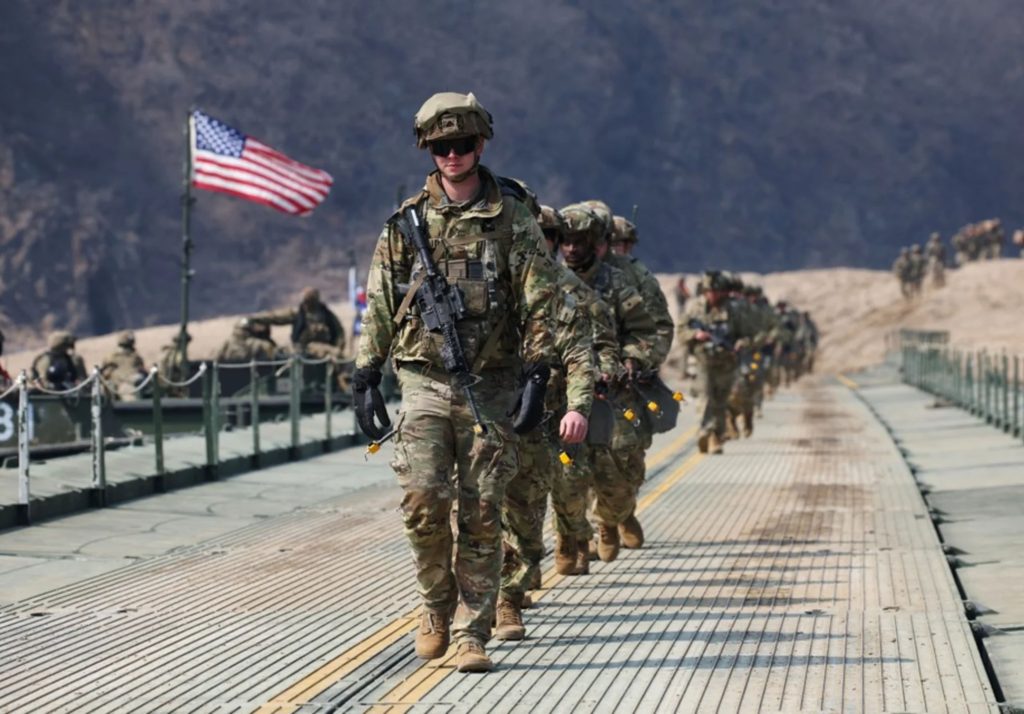
The United States continues to sit in a league of its own, becoming the first nation to officially cross the trillion-dollar threshold in defense allocation. This isn’t just a budget; it’s a global liquidity event that powers the entire Western security architecture. The “business mechanic” of the US defense budget is built on “unmatched scale.” By outspending the next several nations combined, the US creates a gravity well for global talent and technology. This trillion-dollar figure is the ultimate defensive moat, protecting the USD’s status as the world’s reserve currency and ensuring that American-held assets remain the global standard for safety.
The US budget is heavily weighted toward “legacy annuities” in the form of massive, multi-decade procurement programs like the F-35 and next-generation nuclear submarines. These aren’t just purchases; they are capital accounts that support hundreds of thousands of high-paying jobs and thousands of subcontractors across the US. For the American economy, the defense budget acts as an unofficial industrial policy, funneling R&D dollars into the private sector. This creates a “jagged” but powerful growth cycle where breakthroughs in military AI or material science eventually trickle down into consumer tech, further inflating the net worth of the domestic equity class so USA is on the 1st of top 10 countries with highest military budget.
2. China: $374,000,000,000 (PPP Adjusted)
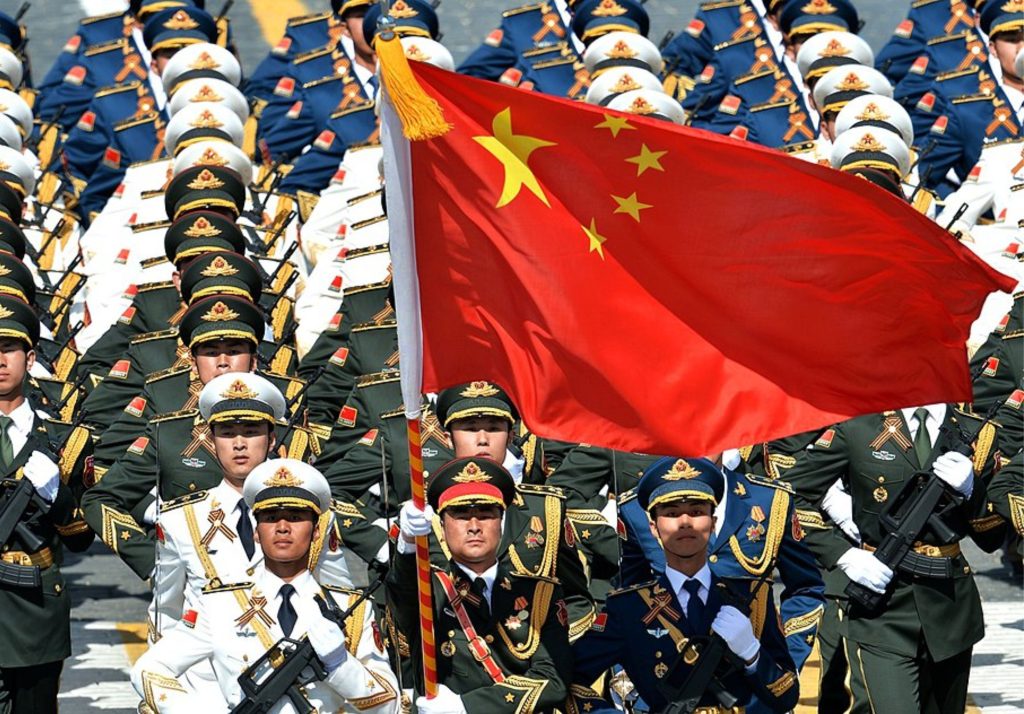
China’s military budget, while officially declared at a lower figure, is widely understood by analysts to be far larger when adjusted for Purchasing Power Parity (PPP). In 2026, the $374 billion figure represents a massive “buy-and-hold” strategy for regional dominance. The Chinese approach to defense is deeply “asset-first,” focusing on “anti-access/area denial” (A2/AD) capabilities that make it increasingly expensive for any rival to operate in their backyard. This is a strategic mechanic designed to lower the ROI of any potential adversary’s military intervention, effectively pricing them out of the market.
The “jagged” nature of China’s growth comes from its rapid iteration cycles, utilizing “Civil-Military Fusion” to rapidly translate commercial tech into military assets. This turns their entire industrial base into a latent military asset. When a Chinese tech giant develops a new AI or a more efficient battery, it is immediately audited for its defensive utility. This ensures that their $374 billion budget goes much further than it would in a traditional Western system, providing a high yield on every yuan spent. This naval expansion is the “mechanic” that will determine the geopolitical landscape for the next fifty years.
3. Russia: $271,000,000,000 (PPP Adjusted)
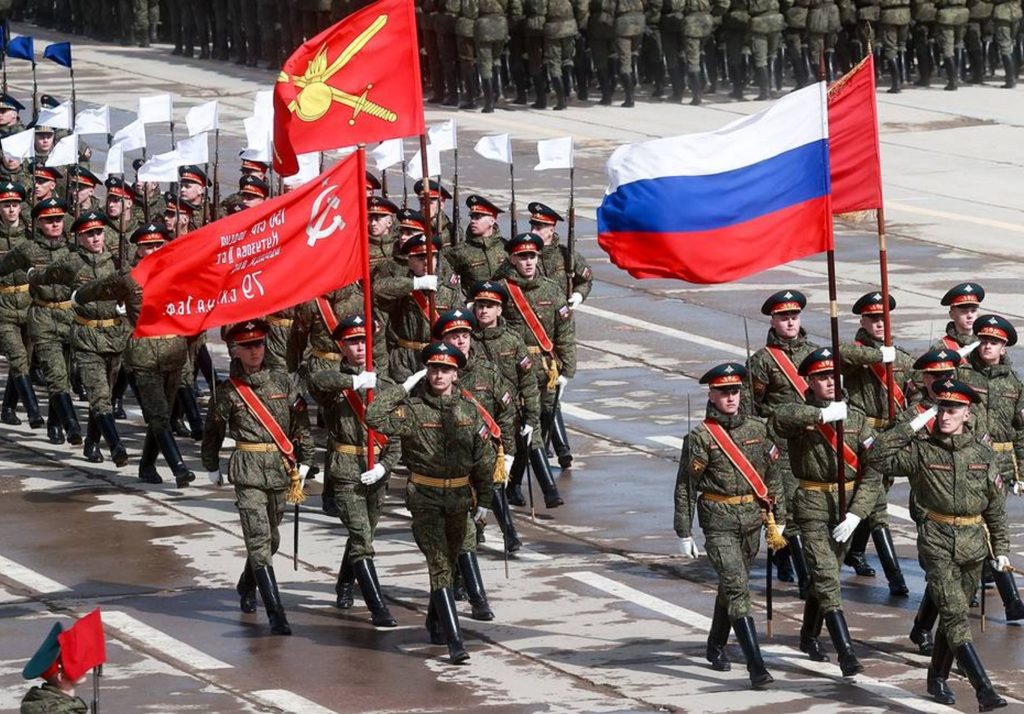
Russia’s military budget in 2026 is a study in “Economic Mobilization.” While the raw dollar figure might seem lower than China’s, the PPP adjustment reveals a nation that has fundamentally restructured its entire economy around the “mechanics of conflict.” The $271 billion budget is a massive, jagged spike in spending that now consumes over 7% of the nation’s GDP. This is not a sustainable long-term budget for a peacetime nation, but for a nation in a state of “perpetual security crisis,” it is the primary driver of all domestic industrial activity.
The “asset-first” focus for Russia is on “Mass and Attrition.” They have realized that in a high-intensity modern war, the ability to manufacture at scale is the ultimate asset. Their budget is focused on the “legacy annuity” of their vast, state-owned defense conglomerates, which are being run 24/7 to produce the materiel required for their ongoing operations. This has created a “war economy” where the defense sector is the only part of the market showing significant growth. For the Russian state, this is a gamble that their high-moat military-industrial complex can outlast the political will of the West.
4. Germany: $107,300,000,000
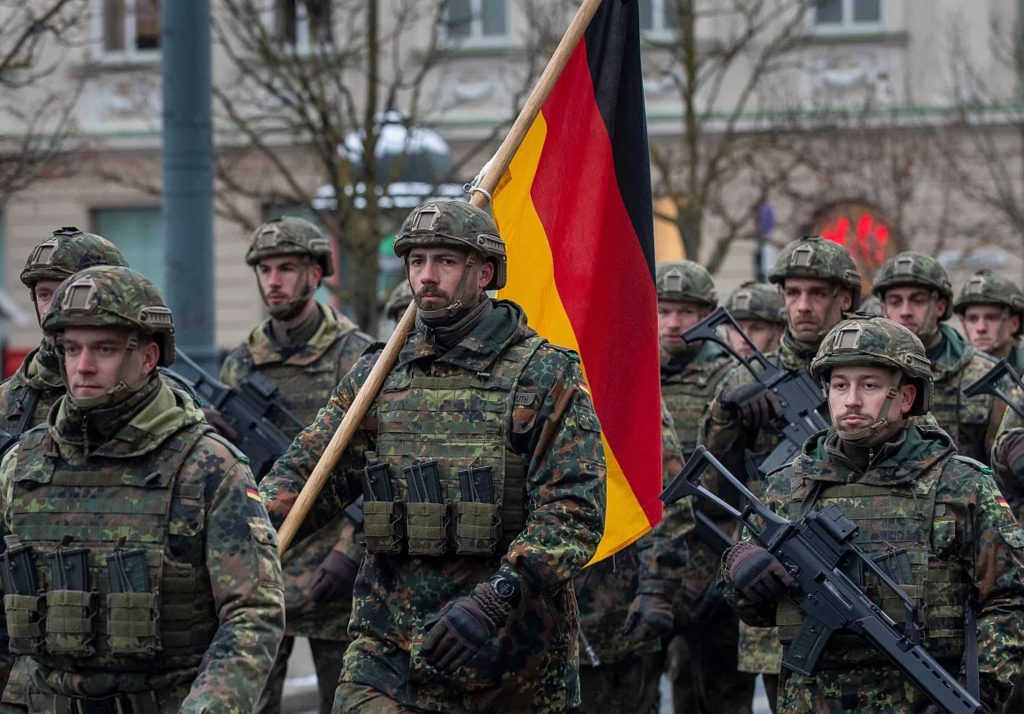
Germany has undergone a radical transformation, catapulting into the number four spot in 2026. The “Zeitenwende” (historic turning point) has transitioned from a political slogan to a massive, $107.3 billion capital allocation. For decades, Germany lived off the “security annuity” provided by the US, but those days are over. The modern German state is now focused on building its own “sovereign defense asset,” a move that has significant implications for the equity markets of Europe.
The “business mechanic” of Germany’s spend is “Modernization at Scale.” After years of neglect, their budget is being used to essentially “buy a military from scratch.” This has been a boon for German defense giants like Rheinmetall, whose order books are now filled with decades-long “legacy annuities.” This spending is carefully structured to revitalize the domestic manufacturing base, ensuring that the $107.3 billion isn’t just spent, but invested in a way that builds permanent industrial capacity. This is the “asset-first” approach that Germany is known for: meticulous, high-quality, and built to last.
5. United Kingdom: $94,300,000,000
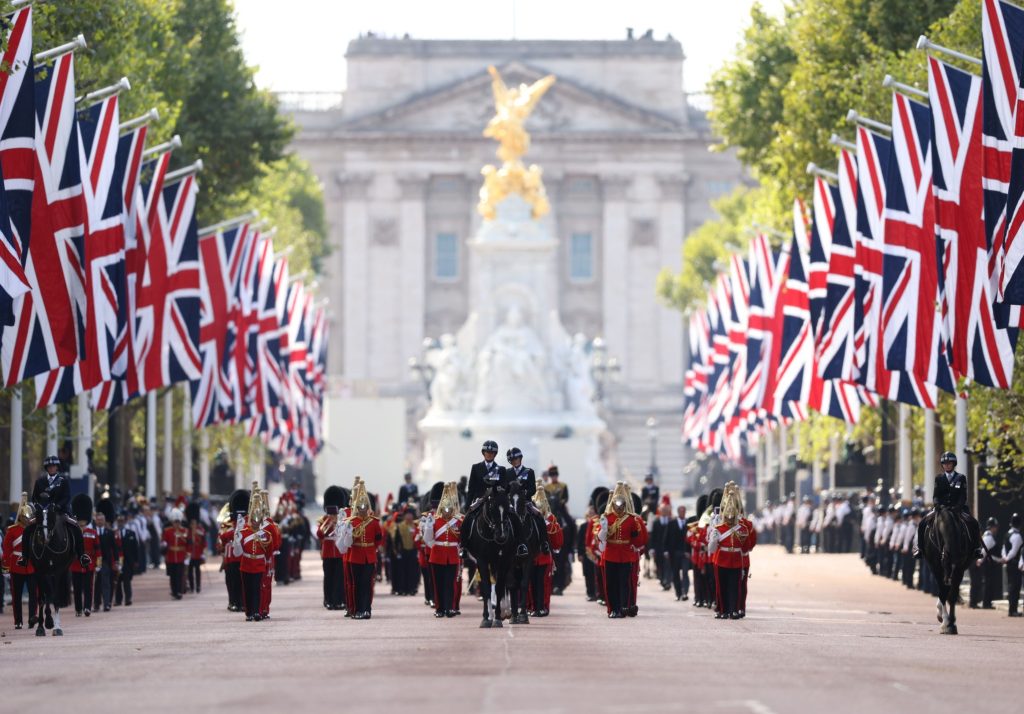
The United Kingdom continues to punch above its weight class, maintaining a $94.3 billion budget that secures its position as a “Global Britain.” The “asset-first” focus for the UK is its “Nuclear Deterrent” and its “Carrier Strike Groups.” These are the two pillars that allow the UK to project power globally and maintain its status as the “number one junior partner” to the United States. For the UK, the defense budget is an investment in the “special relationship,” a diplomatic annuity that pays out in the form of intelligence sharing and economic cooperation.
The “mechanic” of the UK budget is “Strategic Agility.” They have realized they cannot match the US or China in raw mass, so they focus on “High-Moat Specializations”—special forces, cyber warfare, and advanced naval technology. This allows them to provide a unique “equity contribution” to any coalition, ensuring they are always indispensable to global security operations. This $94.3 billion spend is carefully allocated to ensure that the UK remains at the cutting edge of the “Information Age” of warfare, focusing on data integration and rapid response to maintain a global presence on a finite national budget so it counts in the middle of top 10 countries with highest army budget.
6. India: $86,100,000,000

India’s entry into the top 10 countries with highest military budget is driven by the reality of its two-front threat environment. With a $86.1 billion budget in 2026, India is making a massive “asset-first” play to move from being the world’s largest arms importer to a major “Indigenized” producer. The “Atmanirbhar Bharat” (Self-Reliant India) initiative is the primary mechanic here. The government is forcing the transition by banning the import of hundreds of items, effectively mandating that the $86.1 billion be spent on domestic equity.
The “legacy annuity” for India is the creation of a robust domestic defense-industrial base. By partnering with Western firms for technology transfers—such as the GE jet engine deal—India is building the “intellectual capital” that will power its military for the next century. This is a “jagged” but necessary process, involving the overhaul of massive state-owned enterprises and the fostering of a new generation of private-sector defense startups. For India, the defense budget is a tool for “National Economic Maturity,” building a military that isn’t just a force for defense, but a pillar of their “Great Power” status.
7. Saudi Arabia: $80,300,000,000
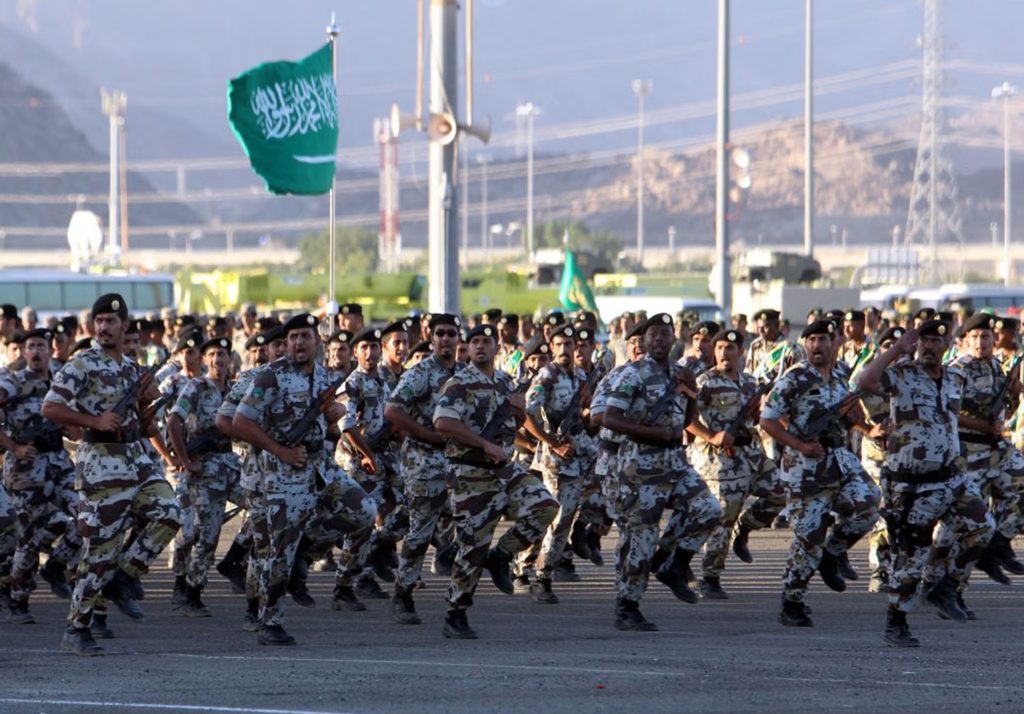
Saudi Arabia’s $80.3 billion budget is the most “equity-intensive” on this list. For the Kingdom, defense spending is a critical component of “Vision 2030.” The primary “business mechanic” here is “Local Content Requirements.” For every dollar the Saudis spend on a Western fighter jet or missile system, they demand that a significant portion of that work be performed within the Kingdom. This is an “asset-first” strategy designed to build a domestic defense industry from the ground up, moving the nation away from its historical dependence on oil.
The “legacy annuity” for the Saudis is the creation of “SAMI” (Saudi Arabian Military Industries). This state-owned giant is being built to be a global player, using the Kingdom’s massive purchasing power to acquire technology and “know-how” from the world’s leading firms. This is a classic “Rich Rival” move: use your liquidity to buy a seat at the table of a high-moat industry. The $80.3 billion budget is the fuel for this transformation, turning a “cost center” into a “wealth generator” and protecting the literal source of the nation’s wealth.
8. France: $70,000,000,000
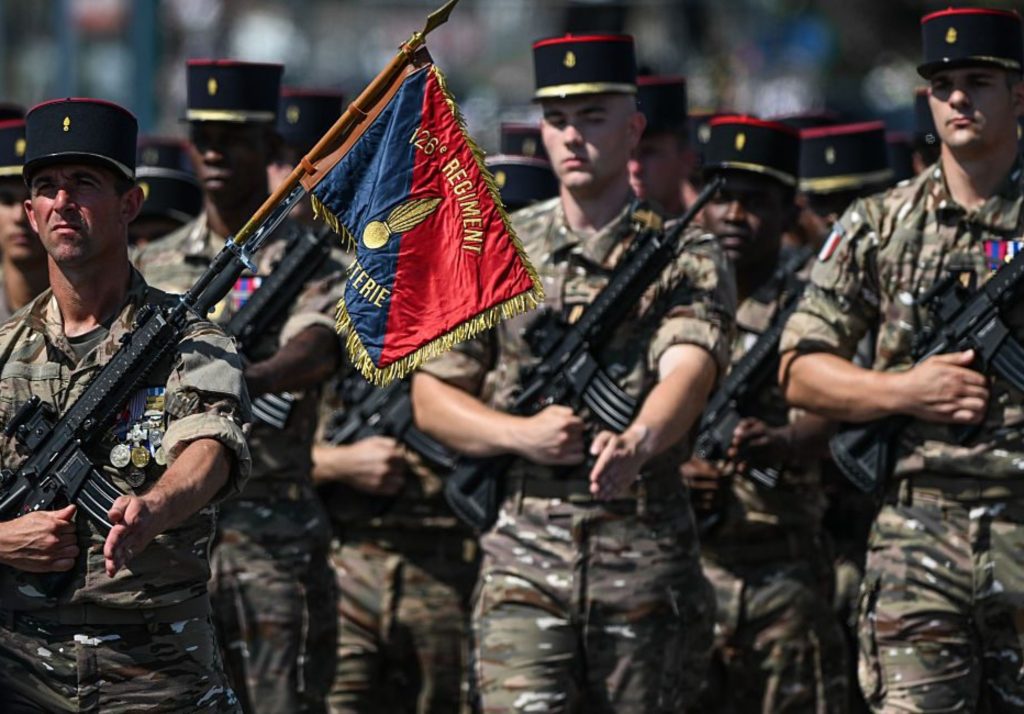
France maintains a $70 billion budget that is the definition of “Strategic Autonomy.” France is unique among European nations in its commitment to maintaining a “full-spectrum” military, from nuclear submarines to advanced fighter jets, all produced by its own domestic firms. This is the ultimate “asset-first” play: France doesn’t want to be dependent on anyone else for its security. Their budget is a “sovereign annuity” that supports national champions like Dassault and Thales, ensuring that France remains a global leader in aerospace and defense technology.
The “mechanic” of the French budget is “Diplomatic Leverage.” By being the only EU nation with a meaningful nuclear deterrent and global power projection capabilities, France ensures that it remains the “intellectual leader” of European defense. This gives Paris an outsized voice in global affairs, a “legacy annuity” that pays out in the form of international influence and arms export contracts. The $70 billion is the price of admission to the world’s most exclusive club, and France pays it willingly to drive global sales of their high-end hardware.
9. Japan: $62,100,000,000
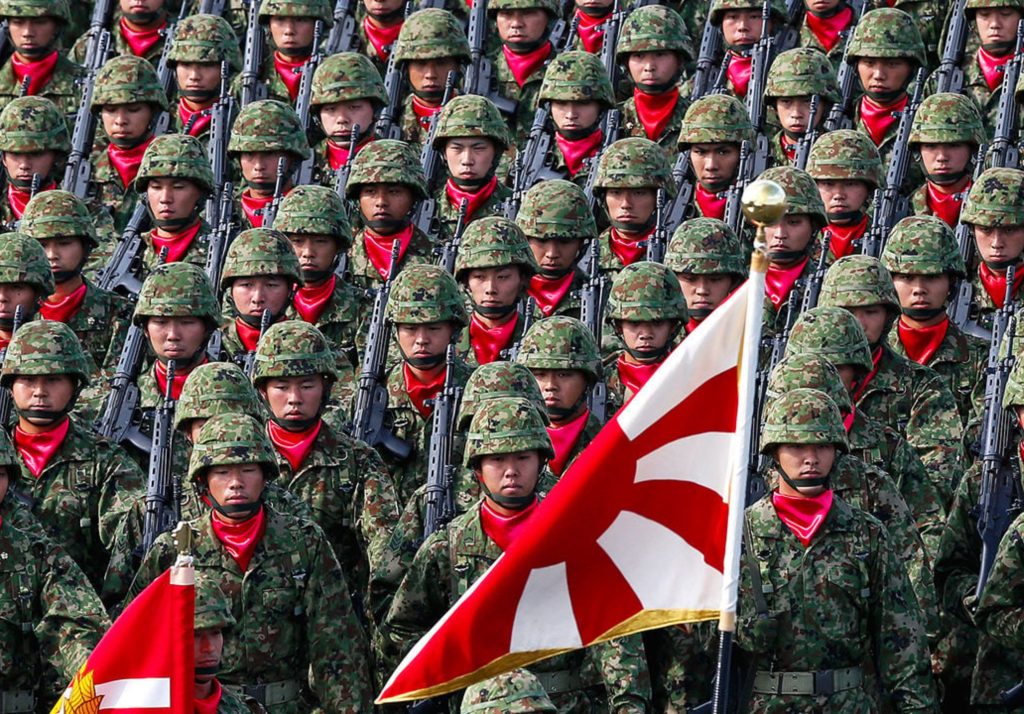
Japan has broken with decades of tradition to reach the number nine spot on our list, with a $62.1 billion budget in 2026. The “asset-first” focus for Japan is “Maritime and Missile Defense.” Facing an increasingly assertive regional rival, Japan has realized that its “peace constitution” must be interpreted in a way that allows for “active defense.” This $62.1 billion spend is a massive, “jagged” break from their historical 1% of GDP cap, signaling a new era of Japanese power.
The “mechanic” of the Japanese budget is “Technological Superiority.” Japan isn’t trying to build a massive army; they are trying to build the most “technologically advanced” military in the region. They are investing heavily in “Counter-Strike Capabilities”—missiles that can reach a rival’s home ports—and “Next-Gen Stealth” technology. This is an “asset-first” play designed to change the calculus of any potential aggressor, making the “cost of entry” for a conflict prohibitively high and turning Japan from a consumer of security into a major producer and exporter.
10. Ukraine: $54,000,000,000
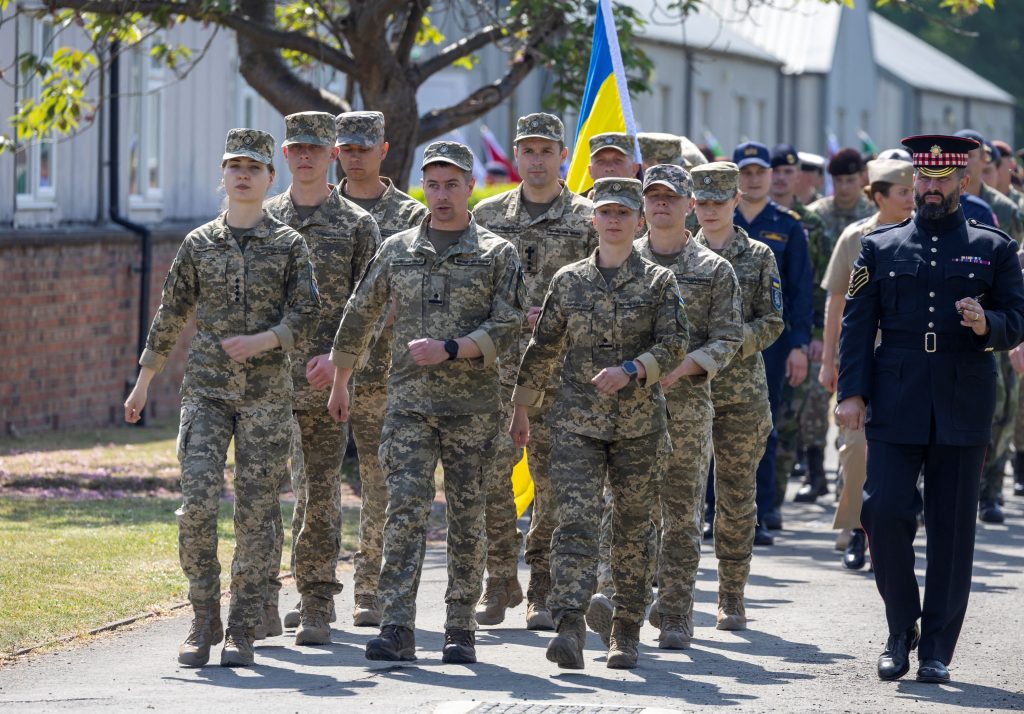
Ukraine rounds out our list with a $54 billion budget that is entirely focused on “National Survival.” This is a “total war” budget, where every available resource is funneled into the “mechanics of defense.” For Ukraine, the military is the “only asset that matters.” Their $54 billion spend is supplemented by billions more in international aid, creating a “unique equity environment” where the latest Western technology is being tested and iterated in real-time on the battlefield.
The “legacy annuity” for Ukraine is the creation of the world’s most “combat-hardened” military and a burgeoning “Defense-Tech” sector. In 2026, Ukraine is the global leader in “Drone Warfare” and “Digital Battle Management.” They have taken relatively low-cost assets and turned them into “asymmetric game-changers.” This is an “asset-first” focus born of necessity, proving that innovation often happens fastest under the greatest pressure. The knowledge and the data they are accumulating are “high-value assets” that will be in demand globally for decades to come so it counts on the last of top 10 countries with highest military budget.
Conclusion on top 10 countries with highest military budget
As we have seen, the top 10 countries with highest military budget in 2026 are all moving toward an “asset-first” model of security. They understand that in a volatile world, a high-moat defense is the only way to protect their national legacy and their sovereign wealth. Whether it’s the US spending a trillion dollars to secure the global status quo or Ukraine spending every penny to survive, the underlying mechanic is the same: military power is a capital asset that pays a “security dividend” in the form of stability, influence, and technological leadership.
For the elite observer, these budgets are a roadmap to the future. They tell us where the next technological breakthroughs will come from, which nations are rising, and where the world’s “geopolitical equity” is being concentrated. The goal of every nation on this list isn’t just to win a war; it’s to build a “fortified legacy” that ensures they never have to fight one. In the end, the highest military budgets belong to those who realize that the cost of defense is high, but the cost of insecurity is infinite. you can aslo cjeck out more of our blogs